Winter Weeds in Tulsa, Oklahoma
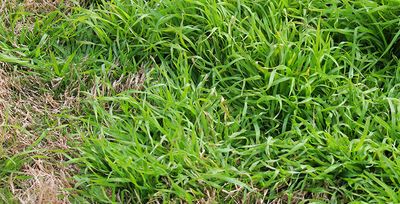
There’s nothing more frustrating than seeing bright green weeds pop up in an otherwise dormant, brown winter lawn. These weeds stand out immediately, disrupt the look of a clean property, and can even trigger early mowing—no one wants that in winter.
If you’re spotting weeds in your Tulsa lawn during the colder months, you’re not alone. Winter annual weeds are common in Oklahoma, especially during mild winters. Below, we break down the most common and most annoying winter weeds found in Tulsa lawns, how to identify them, and what you can do to manage them.
Quick Answer: Winter Weeds in Tulsa Lawns
Winter weeds in Tulsa lawns typically germinate in the fall, grow during mild winter weather, and become highly visible once turfgrass goes dormant. Common winter weeds in Oklahoma include henbit, chickweed, Poa annua (annual bluegrass), rescuegrass, and downy brome. Proper identification and well-timed treatments are the most effective ways to control winter weeds and prevent them from returning in spring.
What This Blog Covers
This blog will help Tulsa and Eastern Oklahoma homeowners understand what’s happening in their lawns during the winter months. Below, we’ll cover:
-
Why winter weeds thrive in Tulsa lawns and what conditions allow them to spread
-
The most common winter weeds found in Tulsa, Oklahoma, lawns
-
How to tell the difference between broadleaf and grassy winter weeds
-
When winter weeds germinate and the best times to treat them for effective control
-
Practical tips for managing winter weeds and preventing them from returning
-
Answers to common questions Tulsa homeowners have about winter weed problems
Whether you’re already seeing weeds or want to stay ahead of them, this guide will help you know what to look for and when to act.
Why Winter Weeds Thrive in Tulsa Lawns
Tulsa’s climate creates ideal conditions for winter weeds. Many winter annual weeds germinate in the fall when soil temperatures drop, then continue growing slowly throughout winter whenever temperatures rise above freezing. Because most Tulsa lawns are made up of warm-season grasses that go dormant in winter, weeds face very little competition.
Additional factors that contribute to winter weed problems include:
-
Mild winter temperatures and frequent warm spells
-
Thin or stressed turf from summer heat or drought
-
Compacted soil and poor drainage
-
Skipped or mistimed fall weed prevention treatments
When these conditions combine, winter weeds can establish themselves quickly and remain visible until spring.
Types of Winter Weeds in Oklahoma Lawns
Before diving into specific weeds, it helps to understand how weeds are classified. Most winter weeds fall into two main categories:
- Broadleaf weeds
- Grassy weeds
Correct identification is crucial because control methods vary depending on the weed type. An herbicide that works on broadleaf weeds won’t necessarily control grassy weeds—and vice versa.
Common Winter Broadleaf Weeds in Tulsa
Broadleaf weeds have wide leaves with a central vein and branching veins. Their stems are typically solid, and many produce visible flowers.
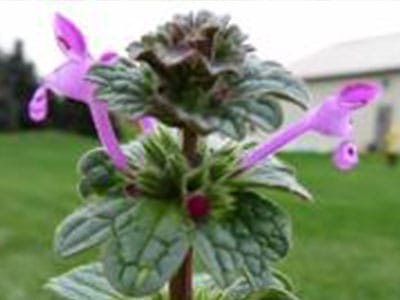
Henbit
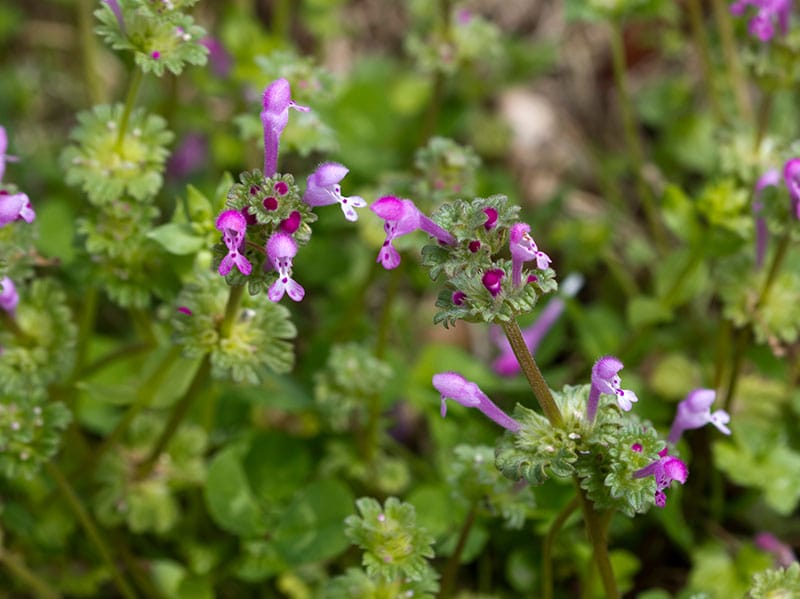
Henbit is one of the most noticeable—and frustrating—winter weeds in Tulsa lawns. Often mistaken for purple deadnettle, henbit is a winter annual that can grow up to 16 inches tall.
How to identify henbit:
- Pink to purple flowers
- Square stems
- Grows aggressively during warm winter spells
- Often appears in large patches
Henbit thrives when winter temperatures fluctuate and can quickly overtake dormant turf if left untreated.
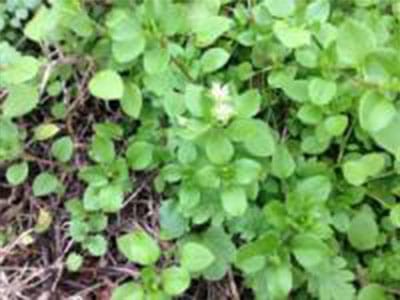
Mouseear Chickweed
Mouseear chickweed is another common winter annual weed found in Tulsa.
Key characteristics:
- Low-growing, dense patches
- Smooth leaves and stems
- Thrives in sun or shade
- Prefers thin, weak lawns and poorly drained areas
Chickweed spreads quickly during cool, wet weather and can crowd out turfgrass in problem areas of the lawn.
Common Grassy Weeds in Tulsa
Grassy weeds often resemble turfgrass, making them harder to identify. They typically have narrow leaves with parallel veins and hollow or flattened stems.
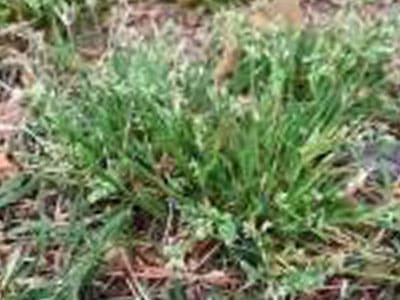
Poa Annua or Annual Bluegrass
Annual bluegrass is one of the most disliked winter weeds among homeowners.
Why Poa annua is such a problem:
- Germinates in early fall
- Grows through winter and spring
- Dies off in warm weather, leaving bare spots
- Produces large amounts of seed
To make matters worse, Poa annua has developed resistance to some pre-emergent herbicides, making professional treatment and precise timing even more important.
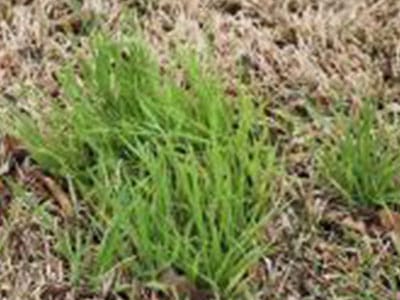
Rescuegrass
Rescuegrass is another common winter weed in Tulsa lawns and can act as a winter annual or biennial.
What to know:
- Upright growth up to 3 feet tall
- Produces a visible panicle seed head
- Stands out sharply in dormant turf
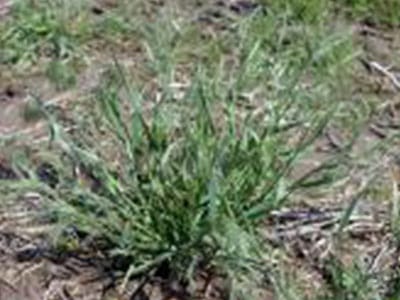
Downy Brome
Downy brome is a winter or early spring annual that prefers dry, sunny conditions.
Common traits:
- Grows 2–3 feet tall
- Often found in sandy or poor soils
- More common in thin or stressed turf areas
When to Treat Winter Weeds in Tulsa
Timing plays a major role in how successful winter weed control will be. Most winter weeds begin germinating in early fall, long before they are visible in winter lawns.
-
Fall: This is the most effective time to prevent winter weeds with properly timed pre-emergent treatments.
-
Winter: Once weeds are visible, post-emergent treatments can help manage existing growth, especially when weeds are young.
-
Spring: Many winter weeds will die off naturally as temperatures rise, but they often leave behind bare or thinning areas that invite new weeds.
The earlier winter weeds are addressed, the easier they are to control and the less damage they cause to turf health.
How to Manage Winter Weeds Effectively
Winning the battle against winter weeds takes more than a quick spray. Here are proven tips to improve results:
- Identify the weed correctly
Always match the herbicide to the weed you’re targeting. - Understand the life cycle
Knowing whether a weed is annual, biennial, or perennial helps determine the best treatment timing. - Time treatments properly
Most winter weeds are easiest to control before germination or when they are young. - Choose the right herbicide
There’s no one-size-fits-all solution. Always follow label instructions carefully. - Maintain your lawn after treatment
Mowing, watering, and rest periods matter. Lawn health plays a significant role in long-term weed prevention.
Tired of Fighting Winter Weeds?
If winter weeds keep coming back year after year, it may be time to hand the battle over to the professionals. At Nutri-Green, we know how to treat Tulsa lawns effectively, using the right products at the right time.
Available in Jenks, Broken Arrow, Tulsa, and Eastern Oklahoma, our lawn care programs are simple, effective, and designed to give you the healthy, weed-free lawn you deserve.
Contact us today at 918-844-0043 or complete our online form to get started.



Winter Weed FAQs for Tulsa Homeowners
- Are winter weeds a sign of an unhealthy lawn?
Not always, but frequent winter weed problems often point to thin turf, compacted soil, or missed fall weed prevention treatments. - Will winter weeds die on their own?
Many winter weeds die off when temperatures rise, but they often leave behind bare spots and seeds that lead to new weed growth in spring. - Is it too late to treat winter weeds in January or February?
No. While fall prevention is ideal, winter treatments can still reduce weed spread and improve lawn appearance. - Can mowing help control winter weeds?
Mowing alone won’t eliminate winter weeds and may actually spread seeds if weeds are allowed to mature. - Do winter weeds come back every year?
They can, especially if underlying lawn conditions and treatment timing aren’t addressed.
This blog was originally published on December 16, 2020, and has been updated to reflect current lawn care practices and weed control recommendations for Tulsa-area homeowners.

Testimonials




News, Blogs & Articles
Our Blog