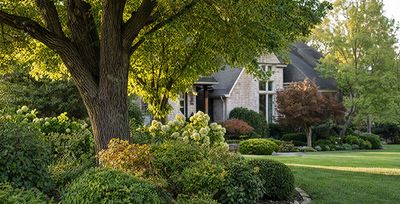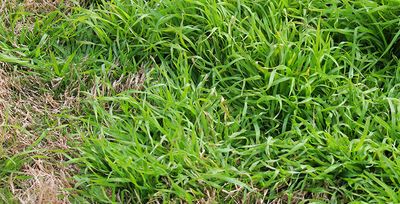
How Oklahoma's Drought-to-Storm Cycle Can Damage Trees and Shrubs
If your lawn has been looking a little crispy lately, your trees and shrubs are probably feeling it too.
Drought conditions have been building across the Tulsa metro and much of Eastern Oklahoma for weeks, and the stress doesn't stop at your grass. Trees, shrubs, and ornamental plants often struggle long before homeowners notice anything wrong.
At Nutri-Green, we see this every year across Tulsa, Broken Arrow, Bixby, Jenks, Owasso, and surrounding communities. A homeowner notices leaves dropping after a storm or a shrub suddenly turning brown and assumes the weather event caused the problem. In reality, the damage often started weeks earlier when drought conditions put the plant under stress.
Now, with severe thunderstorms moving through Green Country, many landscapes are facing a second challenge. Trees and shrubs already weakened by drought can have much more difficulty handling heavy rain, strong winds, insects, and disease.
Understanding what's happening now can help you protect your landscape before minor stress turns into major damage.
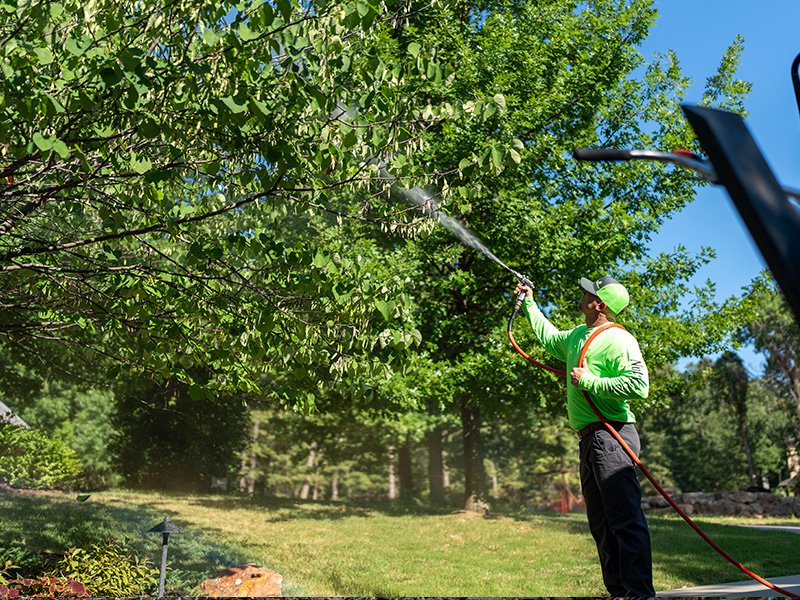
What We're Seeing Across Tulsa Landscapes Right Now
With ongoing dry conditions followed by periods of severe weather, our team is seeing several common issues:
- Browning evergreen shrubs
- Premature leaf drop on ornamental trees
- Scorched leaf edges on younger trees
- Thinning foliage and sparse growth
- Stress-related insect activity
- Broken limbs after storms
- Disease issues developing after heavy rainfall
Many of these problems begin below ground in the root system. By the time visible symptoms appear, the plant may have been struggling for weeks or even months.
What Drought Does to Your Trees and Shrubs
Drought doesn't just make your landscape look dry. It forces trees and shrubs into survival mode.
As moisture levels drop, plants rely more heavily on their root systems to find water. Unfortunately, Tulsa's clay-heavy soils can become extremely hard during extended dry periods. As the soil shrinks and cracks, fine roots may be damaged, reducing the plant's ability to absorb water and nutrients.
The challenging part is that trees don't usually show stress as quickly as turfgrass. Your lawn may turn brown while nearby trees still look healthy. But beneath the surface, those trees could already be struggling.
During inspections, our specialists often find drought stress developing long before homeowners notice visible symptoms. That's one reason early evaluations can be so valuable, especially during extended dry periods.
Common signs of drought stress include:
- Wilting leaves
- Yellowing foliage
- Leaf scorch along the edges
- Slower growth
- Early leaf drop
- Thinning branches
If your landscape seems a little off, don't assume it will recover on its own.
Nutri-Green offers free tree and shrub evaluations throughout the Tulsa area. Identifying stress early often makes recovery much easier and helps prevent more serious damage later.
Why Storms After a Dry Spell Can Make Things Worse
Most homeowners welcome rain after a drought. Eventually, plants do need that moisture. The problem is that too much rain too quickly can create a new set of challenges.
Too Much Water Too Fast
Dry, compacted clay soil doesn't always absorb water efficiently. During heavy downpours, water may pool around roots rather than soak in gradually.
This can create conditions that favor root diseases and other moisture-related problems, particularly in landscape beds and low-lying areas.
Wind Damage on Weakened Branches
Trees under drought stress often develop weaker, more brittle branches.
When strong Oklahoma storms bring high winds, those stressed limbs are more likely to crack or break. Every broken branch creates an opening that insects and diseases may exploit.
Increased Disease Problems
Periods of heat and drought followed by humidity and rainfall create ideal conditions for many plant diseases.
Issues like leaf spot, powdery mildew, and canker diseases often become more noticeable after storms. Trees and shrubs already weakened by drought generally have a harder time defending themselves.
Your Lawn Isn't the Only Thing Feeling the Stress
When drought conditions arrive in Oklahoma, most homeowners focus on the lawn first.
That makes sense because grass usually shows symptoms sooner.
But trees and shrubs often experience the same moisture stress at the same time. In some cases, the damage can be more significant because trees and shrubs are long-term investments that take years to replace.
If your lawn is struggling, it's worth having the rest of your landscape evaluated as well.
Can Trees and Shrubs Recover From Drought Stress?
In many cases, yes.
The sooner stress is identified, the better the chances of recovery. However, recovery depends on several factors, including the plant species, its overall health, the severity of the drought, and whether insects or disease have become part of the problem.
One of the biggest mistakes homeowners make is assuming a tree is healthy simply because it still has green leaves. We regularly find drought-stressed trees that look relatively normal from a distance but are already showing signs of decline during a professional inspection.
That's why early intervention matters.
Are Some Trees More Vulnerable Than Others?
Absolutely.
Newly planted trees, younger trees, and certain ornamental species often show drought stress first because their root systems are less established.
Shrubs can also struggle during Oklahoma's hot summers, especially those growing near driveways, sidewalks, and other areas that reflect heat.
While mature trees generally tolerate drought better, they aren't immune to it. Extended periods of dry weather can weaken even large established trees and leave them vulnerable when storms arrive.
Signs Your Trees and Shrubs Need Attention
Tree stress in Tulsa often shows up as leaf scorch, premature leaf drop, thinning foliage, and branch dieback. Keep an eye out for these warning signs:
- Leaves curling, yellowing, or dropping early
- Brown or scorched leaf edges
- Thinning foliage
- Dead or dying branches
- Bark splitting on younger trees
- Shrubs losing leaves from the inside out
- Wilting that doesn't improve overnight
These symptoms don't necessarily mean a plant is dying, but they do indicate stress that should be evaluated.
Concerned About Your Trees and Shrubs?
Oklahoma's weather can be tough on landscape plants. If you're seeing signs of stress—or simply want peace of mind—Nutri-Green can evaluate your trees and shrubs and recommend the right treatment plan before problems become more serious.
Schedule your tree and shrub care inspection today.
How Professional Tree and Shrub Care Helps Protect Your Landscape
Watering alone isn't always enough.
Trees and shrubs dealing with drought, insects, disease, and Oklahoma weather often need more than just water.
Nutri-Green's tree and shrub care program is designed specifically for Oklahoma landscapes. Our specialists monitor trees and shrubs year-round, helping detect drought stress, insect activity, and disease before they become expensive landscape problems.
Our program includes:
- Seasonal fertilization to support healthy growth
- Foliar treatments to improve plant health during stressful periods
- Monitoring and treatment for damaging insects
- Disease management when conditions favor outbreaks
- Dormant oil applications to help prevent overwintering pest issues
Rather than waiting for problems to become obvious, we focus on identifying and addressing issues early.
That's often the difference between a landscape that recovers quickly and one that struggles for months.
Don't Wait Until the Damage Is Obvious
One of the most frustrating things about tree and shrub problems is how slowly they can develop.
The drought stress affecting a tree today may not become obvious until weeks or months later. Likewise, the storm damage you notice tomorrow may have started with root stress that developed during a dry spell weeks ago.
Oklahoma's weather creates challenges that homeowners in many parts of the country never experience. Long periods of heat and drought followed by sudden thunderstorms put tremendous pressure on landscape plants.
That's why professional monitoring and care matter.
Nutri-Green has been helping Tulsa-area homeowners protect their landscapes since 2001. If your trees and shrubs have been affected by drought or storm damage, or simply don't look as healthy as they should, contact us for assistance.
We'll evaluate your landscape, identify potential issues, and help you create a plan to keep your trees and shrubs healthy through this storm cycle and beyond.
Frequently Asked Questions
Can drought stress make trees more vulnerable to insects?
Yes. Stressed trees and shrubs are often less able to defend themselves against certain insects. That's one reason drought-related issues sometimes lead to additional problems later in the season.
Will a drought-stressed tree always lose its leaves?
Not necessarily. Some trees may hold onto their leaves while still experiencing significant stress. Visible symptoms don't always appear right away, which is why professional evaluations can be helpful after extended dry periods.
Is it worth treating a tree that still looks healthy?
Often, yes. Many tree and shrub issues begin before obvious symptoms appear. Identifying stress early may help prevent more serious decline and improve the plant's ability to recover.
Protect Your Trees and Shrubs Before Problems Get Worse
Healthy trees and shrubs don't happen by accident—especially in Oklahoma's unpredictable weather. If your landscape has been dealing with drought, heat, or recent storms, now is the time to have it evaluated.
Contact Nutri-Green today for a free tree and shrub care quote and let our team help protect the investment you've made in your landscape.

Testimonials




News, Blogs & Articles
Our Blog