Brown Grass in July: Is Your Tulsa Lawn Dormant or Dead?
You walk outside one morning, and your entire lawn looks brown. Not a few dry patches — the whole thing. Yesterday, it still had some green to it, and now it looks like it gave up overnight.
At Nutri-Green, this is one of the most common questions we hear from homeowners across Tulsa, Broken Arrow, Bixby, and other Eastern Oklahoma communities every July: "Is my lawn dead, or is it going to come back?"
The short answer? Brown grass in July doesn't automatically mean your lawn is gone. Most Tulsa lawns are Bermuda or Zoysia — both warm-season grasses that can handle serious heat. But when the heat comes with weeks of dry conditions, even they'll shut down and go dormant to protect themselves.
The tricky part is figuring out whether your lawn is sleeping or whether something else is going on. Here's how to tell.
What Summer Dormancy Actually Looks Like
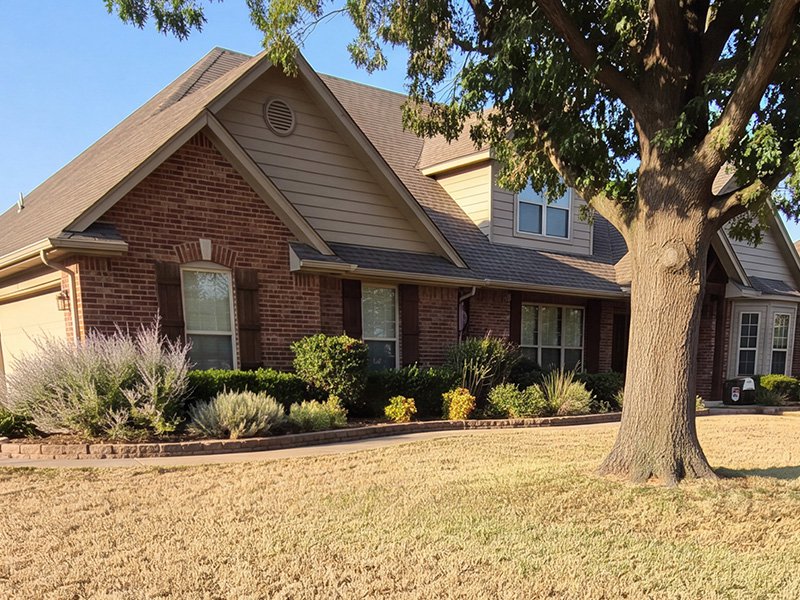
Summer dormancy happens when the soil dries out enough that your grass stops growing to conserve moisture. It's a survival move — the grass pulls energy down into its crown and root system and lets the blades above go brown.
If your lawn is dormant, the browning is usually fairly uniform across the yard. It does not look patchy or random. Instead, the whole lawn shifts at roughly the same time.
The grass may feel dry and crunchy when you walk on it, but it should not pull away from the soil. If you part the brown blades and look down at the base, the crown should still look white, cream, or pale green.
A dormant lawn looks rough, but the plant itself is still alive underground. It's waiting for moisture to come back.
How to Check If Your Grass Is Dormant or Dead
There are a couple of simple ways to tell the difference without any tools or expertise.
The Tug Test
Grab a small handful of brown grass and give it a firm tug. Dormant grass holds tight — the roots are still anchored. Dead grass pulls out easily, sometimes with little to no resistance. If whole sections are lifting like carpet, that's not dormancy.
Check the Crown
Push the brown blades aside and look at the very base of the plant, right at the soil line. A dormant crown will still have some moisture and color to it — white, cream, or light green. A dead crown looks brown all the way through, dry, and crumbly. This is the most reliable way to tell what's going on. For more on how your lawn's root system works and why it matters, check out our deep dive on grass roots.
Look at the Shape
Dormancy tends to be uniform. Your whole lawn browns out together because the entire yard is dealing with the same heat and lack of moisture. Dead spots, on the other hand, usually show up in irregular patches — near driveways, along sidewalks, in high-traffic areas, or in spots that drain poorly.
Why Some Spots Die While the Rest Just Go Dormant
Even in a lawn that's mostly dormant, you might find sections that don't recover. That usually comes down to where those spots are and what the soil underneath looks like.
Grass next to driveways, sidewalks, and patios gets hit twice — once by the sun and again by the heat radiating off the concrete. On a 95-degree afternoon, pavement can get much hotter than the surrounding air, and the turf within a few feet of it takes that extra heat all day long. We see this constantly across South Tulsa neighborhoods, where newer homes have wider driveways and more hardscape.
Compacted clay soil plays a role, too. When clay dries out, it shrinks and cracks. Those cracks can physically tear through fine roots near the surface, cutting off the plant's ability to pull moisture even when water is available. Lawns on south-facing slopes lose moisture faster and tend to show damage earlier than the rest of the yard.
And then there's the obvious stuff: the path where the dog runs every day, the area under the trampoline, the strip between the fence and the neighbor's driveway. Grass that was already thin or stressed going into summer has less energy stored in its root system, so it's more likely to cross the line from dormant to dead.
What to Do When Your Lawn Goes Dormant This Summer
The most important thing is to let it be. A dormant lawn doesn't need to be coaxed back to life — it needs to be left alone so it can ride out the heat.
That said, there are a few things that help and a few that make things worse.
Keep Watering — But Just Enough
A dormant lawn still needs a light soaking — roughly half an inch — every two to three weeks to keep the crowns from drying out completely. You're not trying to green it back up. You're just giving the plant enough moisture to survive until conditions improve. Water early in the morning so the soil absorbs it before the heat sets in. For a full breakdown on watering schedules, take a look at our guide on proper watering maintenance.
Mow Higher and Less Often
If your grass is still growing at all, raise the mower blade. Taller grass shades the soil, slows evaporation, and keeps the crown cooler. During dormancy, you might only need to mow every two to three weeks — or not at all if growth has completely stalled.
Skip the Fertilizer
Dormant grass can't absorb nutrients. Fertilizing now won't wake it up — it'll just sit on the surface, and some formulas can actually burn stressed turf. Hold off until the lawn is actively growing again.
Leave the Bare Spots for Now
If you notice thin or bare areas, resist the urge to throw down seed right now. Bermuda and Zoysia need warm soil to germinate, which is why the best seeding window usually runs from late May through early July. By mid-July, new seedlings face too much heat and drought stress to establish reliably. Fall is not ideal for warm-season grasses either, because they may not have enough active growing time to root in before cooler weather arrives. The better move is to keep those bare spots from getting worse (stay off them, keep weeds out) and let your existing Bermuda runners fill back in as conditions improve later in the season.
When You Should Call a Professional
Most dormant lawns will green back up on their own once consistent rain or cooler weather returns. But if certain areas stay brown after a good soaking rain while the rest of the lawn greens up, something else may be going on.
You should also call for help if grass pulls out of the ground in chunks, which can point to grub activity under the surface. Circular brown spots with a green center or a distinct ring shape may signal a fungal issue. Areas along driveways, sidewalks, or south-facing slopes that look worse every summer are also worth checking, especially if the lawn was already thin or weedy before the heat arrived.
How Nutri-Green Helps Your Lawn Survive July in Tulsa
A lawn that goes dormant is not a lost cause, but what happens during that dormancy period matters. The lawns that bounce back stronger after summer stress are usually the ones that were healthier before the heat arrived and managed carefully while conditions were tough.
As a local Tulsa lawn care company, Nutri-Green builds lawn care around what turf needs throughout the growing season — including the difficult stretch of heat and drought stress that often hits in July. Our seven-step lawn care program includes four summer treatments designed for this part of the season. While your grass is under stress, we are still managing weed pressure, monitoring for insect activity, and applying treatments that support the root system so the grass has the energy it needs to recover when conditions improve.
For lawns that struggle with recurring dry spots or uneven moisture, our HydraGreen lawn hydration program uses professional-grade wetting agents to help move water deeper into the soil where roots can actually reach it. It won't prevent dormancy during the most extreme heat, but it can reduce the damage and help your turf hold its color longer.
If dead spots do show up after the heat breaks, Nutri-Green can recommend the right recovery plan for your grass type — whether that's encouraging existing Bermuda to fill back in through targeted treatments or addressing compaction with professional aeration when the timing is right. A few bare patches in a Bermuda lawn are not the end of the world. With the right care and enough active growing time, many of those areas can fill back in.
Frequently Asked Questions
How long does summer dormancy usually last in Tulsa?
It depends on the weather. Bermuda can stay dormant for three to six weeks during extended dry heat. Once consistent moisture returns — either from rain or regular irrigation — most lawns green up within a week or two. Zoysia tends to be a little slower to bounce back, but it's just as durable.
Will watering my lawn bring it out of dormancy?
It can, but be careful with this one. Pushing a lawn in and out of dormancy repeatedly — watering enough to wake it up, then letting it dry out and go dormant again — is actually harder on the grass than just letting it stay dormant. If you decide to water, commit to a consistent schedule. If you can't, it's better to give the lawn that half-inch every two to three weeks and let the grass rest. For more on this, check out our post, Why Brown Lawns Are Not Always a Watering Problem.
Is summer dormancy the same as winter dormancy?
No. Winter dormancy is triggered by cold temperatures and shorter days — the grass shuts down growth for the season and goes brown until spring. Summer dormancy is triggered by drought stress. The grass is conserving water, not responding to seasonal changes. The care for each is different. In winter, you leave the lawn alone entirely. In summer, light watering to keep crowns alive can make the difference between a lawn that recovers and one that doesn't.
Not Sure What Your Lawn Needs? We'll Take a Look.
If your lawn has been brown for a while and you're not sure whether it's dormant or dealing with something else, our team can help. Nutri-Green offers a free 21-point lawn evaluation for homeowners across Tulsa and Eastern Oklahoma. We'll inspect your lawn, test your soil, and let you know exactly what's going on — no guesswork.
Request your free lawn evaluation here or give us a call to get started.

Testimonials




News, Blogs & Articles
Our Blog