El Niño Is Strengthening: What Could It Mean for Tulsa Lawns This Fall and Next Spring?
El Niño is making weather headlines again, and this time it's shaping up to be a significant event.
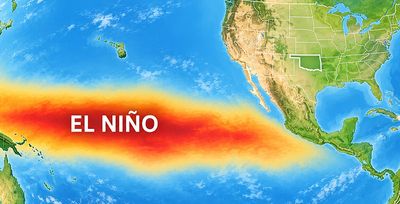
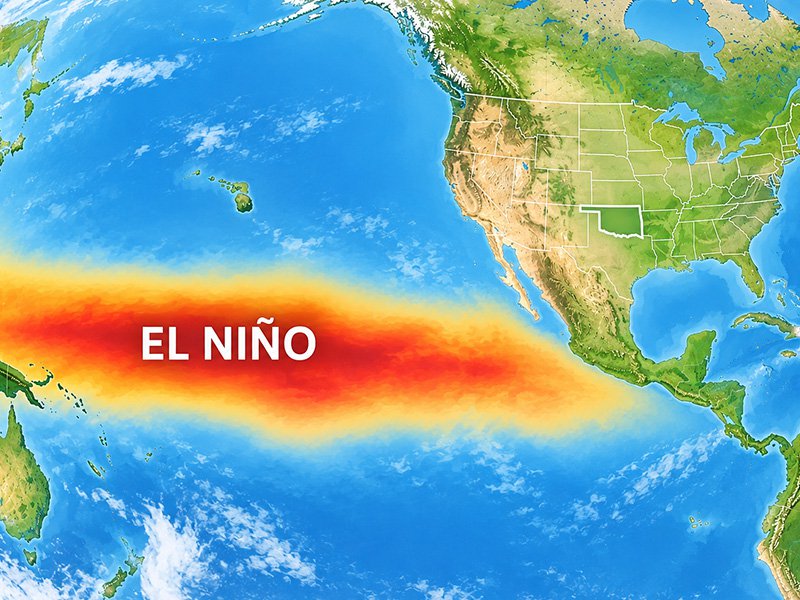
According to the NOAA Climate Prediction Center, El Niño is strengthening, with a greater-than-90 % chance of a very strong event during fall and winter 2026–27.
But what does something happening thousands of miles away in the Pacific Ocean have to do with lawns in Broken Arrow, Sand Springs, and throughout the Tulsa metro?
Potentially quite a bit.
Fall and winter conditions can influence how well fescue establishes, how warm-season grasses make it through dormancy, when weeds become active, and what your lawn looks like when spring arrives.
That gives Tulsa-area homeowners another reason to pay attention to the condition of their lawns now rather than waiting until spring to see what winter left behind.
First, What Exactly Is El Niño?
You don't need to understand ocean temperatures and atmospheric circulation to understand why El Niño matters. The basic idea is pretty straightforward.
El Niño is the warm phase of a natural climate cycle called the El Niño-Southern Oscillation, or ENSO. It develops when surface waters in parts of the equatorial Pacific Ocean become warmer than normal and interact with the atmosphere above.
Those changes can influence large-scale weather patterns far beyond the Pacific.
Here in Oklahoma, that can shift the odds of certain temperature and precipitation patterns during the cooler months. The keyword, though, is odds.
So what are those odds usually pointing toward? Oklahoma State Climatologist Gary McManus explains that the typical El Niño influence for the Southern Plains is a wetter and milder cool season. But even a very strong El Niño doesn't necessarily mean stronger impacts here at home. You can read more from the Oklahoma Mesonet and Oklahoma Climatological Survey.
El Niño is not a day-to-day Tulsa weather forecast. It can't tell us whether your neighborhood will get a hard freeze, how much rain we'll receive in January, or exactly when spring temperatures will arrive.
What it can do is give us some context for the conditions Tulsa lawns may experience over the coming months.
Your Lawn Doesn't Start Over When Spring Arrives
It can be tempting to think of winter as an off-season for the lawn. Growth slows, warm-season turf turns brown, and the mower finally gets a break.
But what happens between fall and spring can affect what you see when growing season returns.
A fescue lawn that goes into winter thin and stressed isn't suddenly going to become dense because the calendar says April. Warm-season grasses that experience winter injury can be slower or more uneven to green up. Weeds that germinate during the cooler months can already be established by the time homeowners start thinking about spring lawn care.
That's why we look at lawn care as a year-round process at Nutri-Green.
And in Tulsa, there's another important piece to the puzzle: not every lawn is growing the same type of grass.
What Could El Niño Mean for Cool-Season Fescue?
If you have tall fescue, fall is one of the most important times of the year for your lawn.
Fescue is a cool-season grass. As Tulsa's summer heat begins to fade, it gets another opportunity for active growth.
That's also why fall aeration and overseeding can be so valuable for fescue lawns that thinned during summer.
Oklahoma State University Extension recommends fall as the best time to establish cool-season lawns, with late September into October providing an important seeding window for tall fescue.
Fall establishment gives young grass more time to develop before it faces another Oklahoma summer.
Moisture still matters, though.
New seed needs consistent moisture to germinate and establish. Existing fescue also needs the right combination of moisture, nutrients, mowing, and other care as it recovers from summer stress.
Any shifts in fall or winter moisture and temperature can affect that process. But the practical takeaway doesn't change: if your fescue is thin now, waiting until spring means missing the better fall establishment window.
What Could El Niño Mean for Warm-Season Lawns?
Bermuda grass is common across Oklahoma, but it isn't the only warm-season grass growing in Tulsa-area yards. Zoysia grass is another warm-season turf you'll find in Tulsa-area lawns.
Both are doing something very different from fescue as we move deeper into fall.
As temperatures fall, Bermuda grass and zoysia grass begin transitioning toward winter dormancy. Instead of trying to keep these lawns actively growing late into the season, the focus shifts to helping the turf enter winter in good condition.
By late September, that transition is already underway. Oklahoma State University recommends completing nitrogen applications to warm-season grasses such as Bermuda grass and zoysia grass by September 15, so this isn't the time to push additional growth with more nitrogen. The focus now shifts toward proper fall care and preparing the turf for the colder months ahead.
Once a warm-season lawn goes dormant and turns brown, it's easy to assume nothing much is happening until spring. But the conditions it experiences over the next several months can influence what happens when growth resumes.
OSU's guidance on Bermuda grass winter injury notes that spring recovery can vary considerably from one year to another. The condition of the turf heading into winter, winter temperatures, soil temperatures, sunlight, grass variety, and late-winter or early-spring freezes can all play a role.
Zoysia grass also enters winter dormancy in Oklahoma and resumes active growth as temperatures warm. The timing and appearance of spring green-up won't necessarily be identical to Bermuda grass, which is another reason the type of turf growing in your yard matters when evaluating its condition.
Don't Forget About the Weeds Growing While Your Lawn Slows Down
Your grass isn't the only thing responding to changing temperatures.
Some of the weeds homeowners notice in late winter and early spring actually get their start months earlier.
Winter annual weeds such as henbit, chickweed, and annual bluegrass can germinate during the cooler part of the year. By the time they're obvious in spring, they've already had plenty of time to establish.
That's why weed control isn't something we suddenly start thinking about when the first warm weekend arrives.
Nutri-Green's fall lawn care includes a cool-season pre-emergent application along with weed control to help winterize the lawn and prevent overwintering weeds.
Fall fescue seeding adds another consideration. Some pre-emergent herbicides can interfere with grass seed germination, so treatment timing needs to account for whether a lawn is also being aerated and overseeded.
This is where knowing the lawn, the grass type, what has already been applied, and what is planned next becomes much more useful than following a generic seasonal checklist.
So, Will El Niño Give Tulsa a Better Lawn Next Spring?
Not necessarily.
What we can say is that the lawn you see next spring will partly reflect what happens before then.
For cool-season fescue, this includes taking advantage of the fall growing and establishment period.
For warm-season grasses such as Bermuda grass and zoysia grass, it means heading into dormancy in good condition and recognizing that winter conditions can affect how the lawn comes out of dormancy next year.
For both, it means staying ahead of weeds and paying attention to actual conditions in the yard rather than waiting for a problem to become obvious.
Prepare Your Tulsa Lawn for the Months Ahead
We can't control El Niño, Tulsa's winter temperatures, or when the next stretch of wet or dry weather will arrive.
We can control how we care for your lawn through those changes.
Nutri-Green's lawn care programs are built around the needs of Oklahoma lawns throughout the year, including pre-emergent treatments, weed control, fertilization, and a free 21-point lawn evaluation on your first visit.
If you're growing fescue, this is also the time to address thin areas while conditions favor fall establishment rather than waiting until spring. Our aeration and overseeding services can help give new fescue seed better access to the soil and support a thicker lawn going into next year's growing season.
El Niño may make this an interesting winter to watch, but your lawn doesn't have to head into it unprepared.
Request a free quote from Nutri-Green today and let our local lawn care team help determine what your Tulsa-area lawn needs heading into winter.

Testimonials




News, Blogs & Articles
Our Blog