Should You Still Water Your Tulsa Lawn in the Fall?
The days are getting shorter, and temperatures are cooling. Does that mean it's time to turn off the sprinklers?
You may still need to water your Tulsa lawn in October or November, especially if conditions remain dry. But that doesn't mean you should keep watering on your summer schedule.
As temperatures cool, grass generally uses less water, and rainfall may provide everything your lawn needs. The right approach depends on recent weather, soil moisture, and whether you have warm-season or cool-season grass.
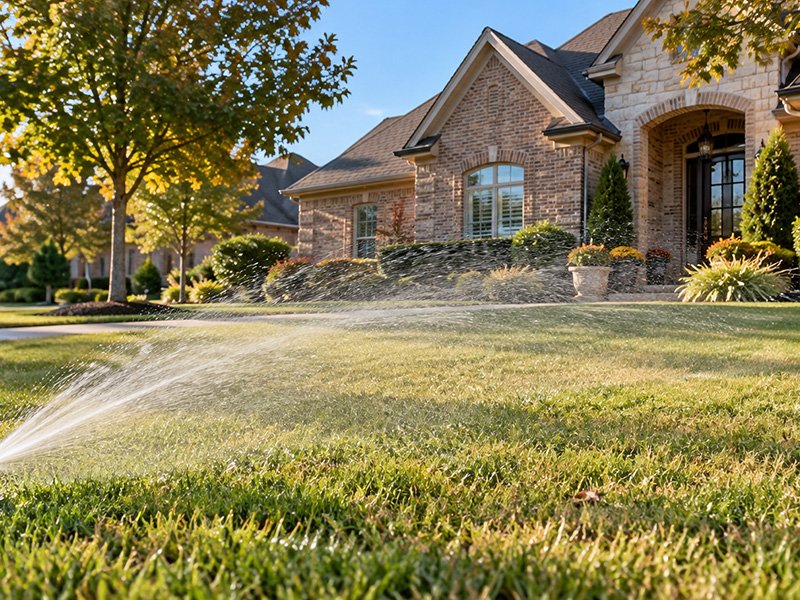
How Often Should You Water Your Lawn in October and November?
There's no set number of days between waterings that works for every Tulsa lawn in the fall.
According to Oklahoma State University Extension, lawns may need supplemental watering every 10–14 days during dry fall periods. However, that's not a schedule homeowners need to follow automatically. If rainfall has provided adequate moisture, you might not need to water at all.
Instead of running your sprinklers every few days, check a few things first:
- Recent rainfall: Has your lawn received a good soaking, or just a brief shower?
- Soil moisture: Use a small trowel to check a few inches beneath the surface. If the soil is still moist, you can probably wait.
- Grass condition: Actively growing grass may show signs of moisture stress, including folded blades or footprints that remain visible after walking across the lawn.
If the soil has dried out several inches deep during an extended dry spell, your lawn may benefit from a thorough watering. Then give the soil time to dry somewhat before watering again.
For more guidance on watering techniques, see our article on proper watering maintenance.
Do Bermuda and Fescue Need the Same Fall Watering?
Not necessarily. The type of grass growing in your yard makes a difference, especially as Tulsa moves from October into November.
Bermuda and Zoysia
Bermuda and zoysia are warm-season grasses. As temperatures drop, their growth slows, and they gradually turn brown as they enter winter dormancy.
That's normal. You don't need to keep watering simply because your Bermuda lawn is losing its green color.
However, dormant or nearly dormant grass can still be affected by prolonged dry conditions. If the soil becomes excessively dry, occasional supplemental watering may be appropriate.
Tall Fescue
Fescue is a cool-season grass, so fall is an active growing period for many established fescue lawns.
While Bermuda may already be slowing down, fescue can continue growing through cooler fall weather. If rainfall is limited, it may need supplemental moisture later into the season.
That's why a green fescue lawn and a brown Bermuda lawn shouldn't automatically receive the same watering schedule.
Not sure which type of grass you have or whether your lawn is showing signs of stress? At Nutri-Green, our local team evaluates lawn conditions and recommends treatments based on your turf's needs.
When Should You Stop Watering Your Lawn in the Fall?
You can stop regular irrigation once cooler weather reduces your lawn's water needs and rainfall is keeping the soil adequately moist. But there isn't a universal cutoff date for Tulsa lawns.
For established Bermuda and zoysia, that often means substantially reducing or stopping routine watering as the grass enters dormancy. Fescue may need supplemental moisture longer because it remains active during cooler weather.
The important distinction is between stopping your regular watering schedule and assuming your lawn will never need additional moisture again.
Oklahoma State University Extension explains that fall drought can increase the risk of winterkill. Even dormant turfgrass needs adequate soil moisture, and extended dry conditions can contribute to winter desiccation.
That doesn't mean you should continue watering throughout the fall regardless of the weather. It means paying attention to soil conditions, even after your lawn has stopped actively growing.
Once winter arrives, watering decisions also need to account for freezing temperatures and other cold-weather considerations. Our article, Watering Grass in the Winter, explains what to consider during that time of year.
Get Help Caring for Your Tulsa Lawn This Fall
Knowing when to reduce watering is one way to help your lawn transition out of the growing season. Proper fertilization, weed control, and timing of treatments also play important roles in maintaining healthy grass.
Nutri-Green has helped homeowners in Tulsa, Broken Arrow, Sapulpa, and surrounding eastern Oklahoma communities care for their lawns since 2001. Our lawn care programs include professional fertilization, preventive weed control, and treatments timed around Oklahoma's growing seasons.
If your lawn struggled through summer or you're unsure what it needs going forward, we can evaluate its condition and recommend the appropriate care.
Request a free quote and find out how Nutri-Green can help your lawn head into the next growing season in better condition.

Testimonials




News, Blogs & Articles
Our Blog