Patchy Grass This Spring? Grubs Might Be The Reason
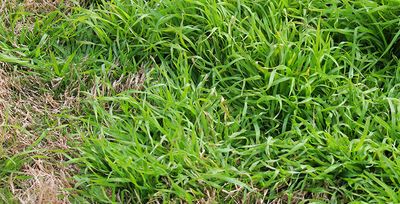
If your lawn is greening up this April but still looks uneven—thin in spots, soft underfoot, or just not bouncing back—you’re not alone. This is one of the most common calls we get at Nutri-Green across Metro Tulsa and Eastern Oklahoma this time of year.
And more often than not, the issue isn’t fertilizer, watering, or mowing.
It’s grubs.
If your lawn looks patchy in spring around Tulsa, grubs could be part of the problem.
What Are Grubs, And Why Do They Matter?
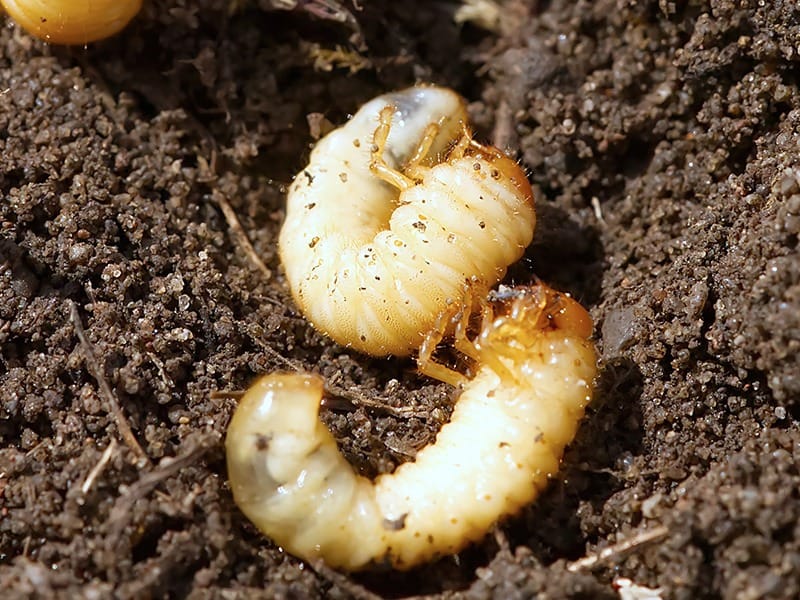
Grubs are the larvae of beetles—most commonly Japanese beetles and June bugs (also called May beetles or May bugs) here in the Tulsa area. They live just below the surface of your lawn and feed on grassroots.
That’s the key: they don’t attack the blades you see—they destroy the roots you don’t.
Grubs damage lawns by feeding on roots, which prevents grass from absorbing water and nutrients.
So even if your lawn looks healthy, it may not be able to take in what it needs to grow.
Why Grub Damage Shows Up In Spring
Here’s what surprises most homeowners:
Grubs are often blamed on summer damage—but spring is when you first notice the problem.
Why?
- Your lawn is trying to wake up and grow
- Damaged roots can’t support new growth
- Weak areas stand out next to healthy grass
So those patchy spots you’re seeing right now?
They may have started forming months ago.
In Tulsa, this is especially noticeable in warm-season grasses like Bermuda and Zoysia. These lawns are just starting to green up in April, so any root damage from grubs makes it harder for them to fill in evenly.
Cool-season grasses like fescue can be affected too—especially in shaded areas—but the patchiness tends to stand out more in warm-season lawns this time of year.
Left untreated, these areas often turn into larger dead patches by early summer.
Signs Grubs Could Be Behind Your Patchy Lawn
Not every brown or thin spot is caused by grubs—but there are a few signs we look for in Tulsa lawns:
- Grass that feels spongy or lifts easily like loose carpet
- Areas that don’t green up with the rest of the lawn
- Irregular patches that keep getting worse, not better
- Increased activity from moles or other digging animals
That last one is a big clue. Moles aren’t after your grass—they’re after the grubs underneath it.
Why Store-Bought Treatments Usually Fall Short
We get it. It’s tempting to grab something off the shelf and hope for a quick fix.
The problem is, grub control isn’t just about what you apply—it’s about timing, product selection, and soil conditions.
Most DIY treatments miss the mark because:
- They’re applied at the wrong time in the grub lifecycle
- They don’t reach the root zone effectively
- They don’t reduce the full grub population
By the time damage is visible, you’re often already behind.
What Actually Works For Grub Control In Tulsa
Effective grub control is proactive, not reactive.
At Nutri-Green, we’ve been serving Metro Tulsa and Eastern Oklahoma since 2001. As a local, family-owned lawn care company, we understand how regional soil, weather, and grass types affect grub activity.
Our approach includes:
- Targeted applications based on seasonal timing
- Treatments designed to protect the root system
- Ongoing monitoring to adjust year to year
Because no two lawns are exactly the same—and cookie-cutter programs don’t work long-term.
Our highly trained professionals build personalized lawn care programs tailored to each property.
Why Tulsa Homeowners Trust Nutri-Green
We’ve built our reputation on doing things differently.
- Local, family-owned since 2001
- Deep experience with Tulsa-area lawns
- Highly trained lawn care professionals
- Personalized treatment programs
- Free quotes with no pressure
And we stand behind our work with our We Care More Guarantee.
Don’t Let Hidden Damage Ruin Your Lawn This Season
Grubs are easy to miss—but the damage they cause isn’t.
If your lawn looks patchy, thin, or slow to recover this spring, it’s worth taking a closer look before the problem spreads.
April is one of the best times to get ahead of grub damage before it turns into bigger issues heading into summer.
Grub Control FAQs For Tulsa Homeowners
Do moles mean I have grubs?
Often, yes. Moles feed on grubs and other soil insects. If you’re seeing mole activity, there’s a good chance there’s a food source underneath your lawn.
Can grass grow back after grub damage?
Grass can recover if the root system isn’t completely destroyed. However, heavily damaged areas may need additional treatment and time to fill back in.
Is grub damage worse some years than others?
It can be. Weather patterns, especially moisture and temperature, affect beetle activity and grub survival from year to year.
Are certain Tulsa lawns more likely to get grubs?
Yes. Lawns that are well-watered and healthy can actually attract female beetles to lay eggs. That means even nice-looking lawns aren’t immune.
Get Ahead Of Grubs with Nutri-Green’s Help
If you’re seeing uneven growth or struggling areas in your lawn right now, don’t wait and hope it improves on its own.
Let Nutri-Green take a look and give you a clear plan forward—so you know exactly what your lawn needs.
A healthier lawn starts below the surface.
Contact us today to request your free quote.

Testimonials




News, Blogs & Articles
Our Blog