Chinch Bugs In Tulsa Lawns: How To Spot Them Before They Destroy Your Yard
You water your lawn. You stay on top of treatments. Everything looks fine… until it doesn’t.
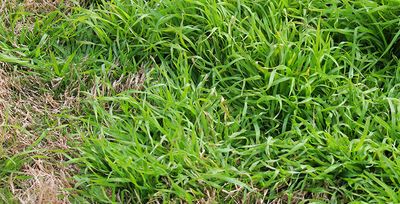
A patch of grass starts turning yellow. Then brown. Then it spreads.
So you water more—but nothing changes.
If that sounds familiar, there’s a good chance you’re not dealing with drought at all.
You could be looking at chinch bug damage, one of the most common—and most misdiagnosed—lawn problems in Tulsa.
At Nutri-Green, we see this every year across Tulsa, Owasso, and Jenks. And by the time most homeowners call, the damage has already spread further than it should have.
Here’s how to catch it early—and protect your lawn before it gets worse.
What Are Chinch Bugs?
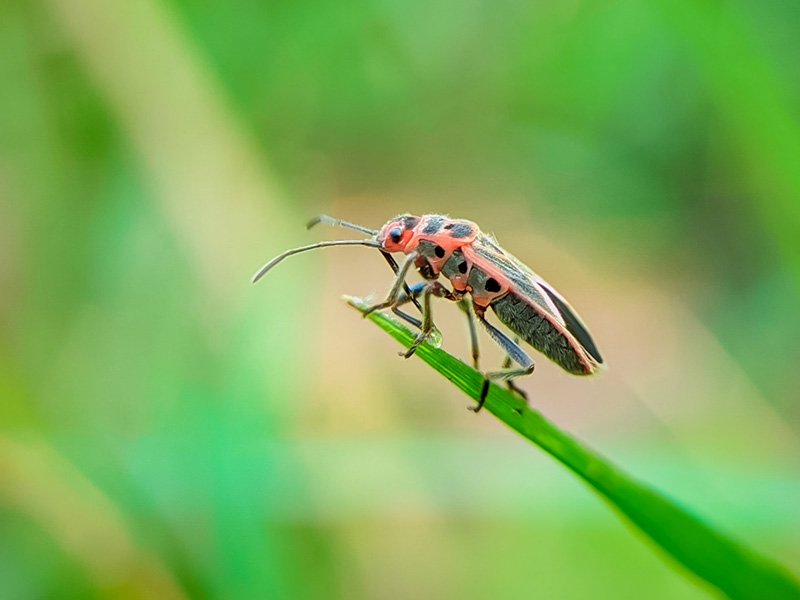
Chinch bugs are tiny insects—about 1/6 of an inch long—that live down in the thatch layer of your lawn.
They’re small, but the damage they cause is anything but.
Here’s what makes them so destructive:
- They feed on grass by sucking moisture out of the blades
- At the same time, they inject a toxin that blocks water movement inside the plant
So even if you’re watering properly, your grass can’t use it.
That’s why the damage looks exactly like drought—and why it’s so often misdiagnosed.
In Tulsa, chinch bugs target Bermuda and zoysia grass, making most local lawns a target.
When Chinch Bugs Become A Problem In Tulsa
Chinch bugs start becoming active in late April to early May, right when your lawn is coming out of dormancy.
From there:
- May–June: First generation begins feeding
- Mid to late summer: Second generation ramps up
- Hot, dry years: A third generation can develop
Most homeowners notice damage in June through September—but by then, the problem has already been building for weeks.
That’s why late spring is the window where early detection matters most.
What Chinch Bug Damage Looks Like
Chinch bug damage doesn’t take over your whole lawn at once. It starts small.
Look for:
- Irregular yellow patches in sunny areas
- Grass near driveways, sidewalks, or south-facing slopes declining first
- Patches that turn brown and spread outward
Here’s the key difference from drought:
- Drought stress looks even across the lawn
- Chinch bugs create expanding, patchy damage
And most importantly:
Watering won’t fix it.
If anything, the damage keeps spreading despite your efforts.
Why Chinch Bugs Thrive In Tulsa Lawns
Tulsa lawns check all the boxes for chinch bug activity:
- Warm-season grasses like bermuda and zoysia
- Hot, dry summers that stress turf
- Thatch buildup where bugs live and reproduce
- Clay-heavy soils that hold heat and limit water movement
Put that together, and you get the perfect environment for populations to grow fast.
Can You Check For Chinch Bugs Yourself?
You can spot chinch bugs if you know where to look—but here’s the reality:
They’re extremely small, and the damage is easy to confuse with other issues like drought or lawn disease.
There are simple ways homeowners try to check, but those methods aren’t always reliable—and they don’t solve the problem.
What matters most is this:
If your lawn isn’t responding to water, something else is going on.
And guessing wrong can cost you weeks of recovery time.
What To Do If You Think You Have Chinch Bugs
This is where most lawns either recover—or get worse.
The biggest mistake we see?
Treating the wrong problem.
Chinch bug damage is often confused with:
- Drought stress
- Heat stress
- Brown patch fungus
Each of those requires a completely different approach.
At Nutri-Green, we start with a professional lawn evaluation to confirm exactly what’s happening.
We don’t guess—we diagnose the problem first and treat based on what your lawn actually needs.
If chinch bugs are present, we apply targeted treatments that reach into the thatch layer—right where they live.
Just as important, we address the conditions that made your lawn vulnerable in the first place.
Because long-term control isn’t just about stopping bugs—it’s about building a lawn that can handle stress.
Get Answers Before The Damage Spreads
If your lawn isn’t bouncing back, guessing will only cost you more time—and more turf.
Nutri-Green offers free lawn evaluations for homeowners in Tulsa, Owasso, and Jenks. We’ll identify what’s really going on and map out the right plan to fix it.
Schedule your free evaluation today.
How Professional Lawn Care Helps Prevent Chinch Bugs
Healthy lawns are harder for chinch bugs to damage. That’s the difference.
At Nutri-Green, our lawn care programs are built to strengthen your lawn from the ground up—so it can better handle heat, stress, and pest pressure.
Depending on your lawn’s needs, that can include:
- Proper fertilization to support steady, controlled growth
- Ongoing monitoring for early signs of pest activity
- Seasonal treatments timed for Oklahoma conditions
- Aeration to reduce compaction and manage thatch
Aeration and overseeding aren’t something every lawn gets automatically—but they can make a big difference in lawns dealing with compaction or heavy thatch, which are two conditions chinch bugs love.
When your lawn is thick, balanced, and well-managed, chinch bugs have a much harder time taking hold.
How To Lower Your Risk Moving Forward
There are a few things that help reduce pressure from chinch bugs:
- Keep thatch under control
- Water deeply (not lightly and often)
- Avoid mowing too short in summer
- Stay on a consistent fertilization schedule
- Aerate annually
But here’s the honest truth:
Even well-maintained lawns in Tulsa and Eastern Oklahoma, including Owasso and Jenks, can still develop chinch bug problems during hot, dry stretches.
That’s why ongoing monitoring and professional care make such a big difference.
Chinch Bug FAQ For Tulsa Homeowners
Can chinch bugs kill my lawn?
Yes. Left untreated, they can wipe out entire sections of turf that require re-seeding or sod.
Do chinch bugs spread?
They do. Adults can move and spread across your lawn—and even from neighboring properties.
Will watering fix the problem?
No. Water helps prevent stress, but it won’t stop active feeding or reverse damage.
When should I start watching for them?
May is the time to start paying attention. That’s when early activity begins in Tulsa.
Don’t Let A Small Problem Turn Into A Summer Lawn Repair
Chinch bugs don’t wait—and in Tulsa, they don’t slow down once the heat sets in.
Late May and June are when we start seeing damage really take off across Eastern Oklahoma. What starts as a small yellow patch now can turn into large areas of dead turf by mid-summer.
And once the grass is gone, you’re no longer talking about treatment—you’re talking about repair, re-seeding, or sod.
That’s why timing matters.
If your lawn isn’t responding to water, or you’re starting to see patchy discoloration, now is the time to get ahead of it—before the heat and chinch bug activity peak.
Locally owned and operated since 2001, Nutri-Green’s team knows exactly what to look for this time of year and how to stop the problem early.
Schedule your free lawn evaluation today and ask about our new customer offer on your first treatment.
Because it’s a lot easier—and a lot less expensive—to protect your lawn now than rebuild it later.

Testimonials




News, Blogs & Articles
Our Blog