Tulsa Lawn Thatch in Spring: Signs, Causes, and Fixes
If your lawn feels a little spongy underfoot, drains poorly, or just won’t green up evenly in spring, you’re not alone. In Tulsa and Eastern Oklahoma, one of the most common spring lawn issues we see is thatch—especially in warm-season grasses like Bermuda and Zoysia, which are common across the area.
The good news: thatch is fixable. And spring is a smart time to deal with it before it turns into a bigger headache in summer.
This guide breaks down what thatch is, why it becomes such a spring issue in Tulsa, how to tell if you have too much, and what to do next.
If you want the quick definition first, start here: What is lawn thatch (and is it bad for your lawn)?

Quick Summary: Thatch is a layer of organic material that builds up between your grass and the soil. In spring, thatch that’s built up and matted down over winter can block water, air, and nutrients—leading to slow green-up and a stressed lawn. This guide covers the most common signs of thatch and what to do about it (including spring timing in Oklahoma).
What Thatch Is (and Why It Matters)
Thatch is a layer of dead and living organic material—think stems, runners, and roots—that builds up between the green grass you see and the soil underneath.
A thin layer isn’t always a bad thing. But when that layer gets too thick, it starts acting like a barrier. Water, air, and nutrients have a harder time getting where they need to go (down into the soil and roots), and your lawn can start struggling.
Why Thatch Is a Spring Problem in Tulsa
In Tulsa, thatch is a significant spring issue—especially in warm-season grasses like Bermuda and Zoysia.
Here’s why spring is the season when thatch tends to show itself.
Winter Accumulation (and Thatch Gets Matted Down)
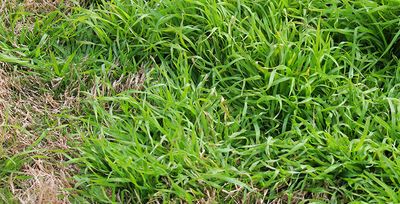
Over winter, thatch can build up and then get pressed and matted down. By the time spring rolls around, you may have a dense layer sitting between your turf and the soil.
That matted layer can:
- Block water from soaking in properly
- Reduce airflow near the crown and root zone
- Make fertilizer less effective
- Slow down or uneven out spring green-up
Bermuda and Zoysia Grow Fast (and They Can Build Thatch Fast)
Bermuda and Zoysia are popular in Oklahoma because they handle heat well and can look fantastic in summer.
But they also grow in ways that can create more thatch (lots of runners and dense growth). When growth speeds up in late spring and early summer, that thatch layer can build quickly if the lawn is already starting the season behind.
Tulsa Clay Soils Don’t Help
Many Tulsa lawns have heavy clay soil, and clay can reduce oxygen in the soil and slow down the natural breakdown of organic material. When decomposition lags behind growth, thatch has an easier time piling up.
Thatch Can Increase Spring Disease Risk
Thick thatch can create a “cozy” environment for fungal issues, especially when the lawn is stressed.
In Tulsa, homeowners often hear about common turf diseases (like brown patch / large patch) as the season changes. Managing thatch is one practical step that can improve the lawn’s growing environment.
If you’re already noticing stress before the heat shows up, this is a helpful companion read: What to do if your grass looks stressed before summer hits
How to Tell If You Have Too Much Thatch
Here are the signs most homeowners notice first.
The Lawn Feels Spongy
If it feels cushiony (almost like you’re walking on a thin pad), that can be thatch thickness—not “healthy softness.”
Water Doesn’t Soak In Like It Should
Thatch can soak up water before it ever reaches the soil. That can lead to runoff, puddling, or areas that never seem to hydrate properly.
If you want to double-check your watering approach, this helps: The best way to water your lawn in Tulsa & Oklahoma
Spring Green-Up Looks Patchy
If some areas wake up quickly while others lag (even with similar sun exposure), uneven thatch thickness can be part of the reason.
Roots Look Shallow
When thatch is thick, grass roots may start growing into the thatch layer instead of down into the soil. That’s a recipe for heat stress once summer hits.
The “Plug Test” Confirms It
This is the easiest DIY check:
- Cut a small plug (about 3–4 inches deep)
- Look for the brown/tan layer between the green grass and the soil
If you’re seeing around 1/2 inch of thatch or more, it’s usually time to do something about it.
Spring Timing: Scalping vs. Dethatching (They’re Not the Same)
This is where a lot of well-meaning DIY plans go sideways.
Scalping (Early Spring, Before Green-Up)
Scalping is mowing lower than normal to remove dead, dormant growth so sunlight can warm the turf sooner. In Tulsa, that’s often done before full green-up.
Scalping can help the lawn “wake up,” but it doesn’t necessarily remove the thatch layer.
Dethatching (the Actual Thatch Removal)
Dethatching is the process of mechanically pulling thatch up and out using tools like a dethatcher, power rake, or vertical mower.
For warm-season lawns in Oklahoma, Oklahoma State University Extension guidance commonly points to late winter to early spring (often February–March), prior to green-up, as a typical dethatching window for warm-season grasses.
Because weather swings in Tulsa can be unpredictable, it’s best to think in terms of a timing “window” rather than a single perfect date.
What to Do About Thatch (and What Most People Miss)
The right plan depends on how thick the thatch is.
If Thatch Is Light: Fix the Habits That Create It
With light thatch, you can often improve things by dialing in the basics:
- Mow correctly (avoid removing more than 1/3 of the blade at once)
- Water deeply and less often (instead of frequent shallow watering)
- Avoid pushing too much nitrogen too fast
If you want an easy refresher, here’s a helpful overview: Lawn tips and FAQs
If Thatch Is Moderate to Heavy: Mechanical Removal + a Recovery Plan
If the lawn feels consistently spongy, drainage is clearly off, or your plug test shows a thick layer, mechanical dethatching is usually the way forward.
A few heads-ups:
- Dethatching is messy (you’ll pull up a lot of material)
- It’s stressful on the lawn if it’s done at the wrong time
- Recovery matters (watering, mowing height, and sometimes fertility support)
Clay Soil + Compaction? Aeration Often Belongs in the Plan
In Tulsa, thatch and compaction often show up together.
If the soil feels hard, water runs off, or the lawn struggles in high-traffic areas, core aeration can make a big difference.
Here are two good next steps:
- Service details: Aeration & overseeding in Tulsa
- Timing help: When to aerate your lawn in Oklahoma
How to Keep Thatch From Coming Back
Once you get ahead of thatch, prevention is mostly about consistent, lawn-friendly routines:
- Mow at the right height and frequency (avoid “let it grow, then scalp it” cycles)
- Water for deep roots (deep and infrequent beats shallow and frequent)
- Don’t overdo nitrogen (too much can increase thatch production)
- Aerate compacted clay soils to improve oxygen movement and decomposition
- Treat stress early so the lawn stays dense and resilient
If you want a bigger picture of what a complete program can look like, start here: Top-rated lawn care services in Tulsa & Eastern Oklahoma
When It’s Smart to Call a Pro
You can absolutely DIY parts of lawn care—but dethatching is one of those jobs where timing, equipment, and follow-up care really matter.
It may be time to bring in help if:
- The spongy feel is widespread
- Water won’t infiltrate even after you adjust watering habits
- The lawn is thinning year after year
- You suspect it’s a mix of thatch, compaction, and disease pressure
A professional lawn assessment can confirm what’s going on and recommend a plan that fits your grass type (Bermuda vs. Zoysia) and your soil conditions.
Takeaway: Spring Is Your Best Chance to Get Ahead of Thatch in Tulsa
In Tulsa, thatch often becomes a spring problem because it builds and mats down over winter, then blocks water, air, and nutrients right when your lawn is trying to wake up.
If your Bermuda or Zoysia lawn feels spongy, drains poorly, or greens up unevenly, spring is a great time to check it with a simple plug test and make a plan.
If you’d like help figuring out what’s happening in your lawn—and what combination of dethatching, aeration, and seasonal care makes the most sense—Nutri-Green is here to help.

Testimonials




News, Blogs & Articles
Our Blog