Bald Spots in Your Tulsa Lawn? What to Do Next
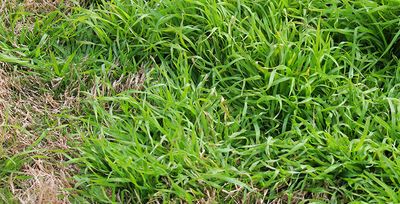
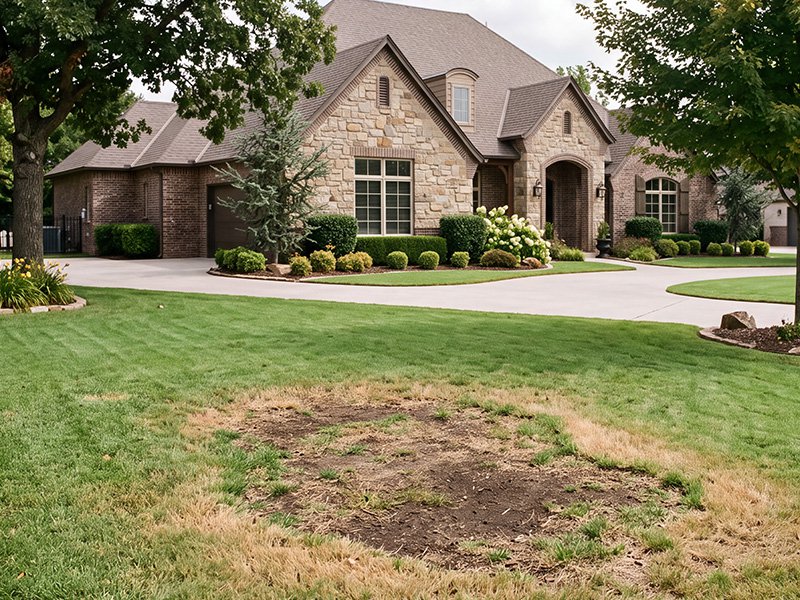
Bald or thinning spots can appear on Tulsa lawns for many different reasons. Sometimes the grass has been struggling through summer stress. In other cases, insects, disease, irrigation issues, shade, or soil conditions may be involved.
By August, these problem areas can become especially noticeable in lawns across Tulsa, Broken Arrow, Bixby, Jenks, Owasso, and throughout Eastern Oklahoma.
So what can you do about them now?
That depends on what caused the damage and, just as importantly, what type of grass you have. The right next step for bermuda grass or zoysia grass can be very different from the right approach for fescue.
Why Are Bald Spots Showing Up Now?
Late summer can reveal problems that have been developing for weeks.
Tulsa-area lawns have already endured weeks of heat, periods of limited rainfall, heavy watering demands, mowing, foot traffic, and other stresses. If you're also seeing widespread discoloration, it may help to understand why Tulsa lawns can turn brown even when they're being watered.
By August, weaker areas of the lawn tend to become much easier to see.
Some common reasons for thinning or bare areas include:
- Heat and drought stress
- Uneven or inadequate watering
- Turf-damaging insects
- Lawn disease
- Compacted or poor soil
- Excessive shade
- Heavy foot or pet traffic
- Previous damage that never fully recovered
Compacted soil is worth paying particular attention to across the Tulsa metro as dense soil can make it harder for water, oxygen, and nutrients to reach the root zone. That can contribute to weak growth and areas that continue to thin.
That’s why a bald spot alone doesn’t tell you what the lawn needs.
Before trying to fill an area back in, it makes sense to determine what caused the damage in the first place.
What If You Have a Bermuda Grass Lawn?
Bermuda grass is well suited to Oklahoma summers and actively grows during warm weather.
Unlike fescue, bermuda spreads as it grows. That means some smaller thin areas may improve while the grass is actively growing if the conditions that caused the problem are corrected.
But the cause matters.
A spot that isn't getting enough water needs a different approach than an area affected by insects, poor soil conditions, or another source of stress.
Shade is another important consideration. Bermuda grass does not perform particularly well with limited sunlight, so areas beneath trees or alongside heavily shaded parts of the home may continue to thin even when the rest of the lawn is doing well. Our guide to growing grass in shady Tulsa yards explains why turf type and sunlight matter.
If the same area struggles repeatedly, it may be a sign that something about the growing conditions needs attention.
Don't Assume Brown Bermuda Is Dead
Brown or thin grass during an Oklahoma summer doesn't automatically mean the turf is dead.
Heat and moisture stress can cause bermuda grass to lose color and struggle temporarily. Before assuming an area needs to be replaced, it helps to determine whether the grass is dead, dormant, or simply under stress.
At Nutri-Green, our lawn care services start with understanding what the turf is dealing with rather than assuming every bare area has the same cause.
What About Bald Spots in Zoysia Grass?
Zoysia grass is also a warm-season turf, which means summer is an important part of its active growing season.
Healthy zoysia can gradually spread into thinner areas, although it typically fills in more slowly than bermuda.
Here again, the important question is why the area became thin or bare.
Heat stress, watering issues, insects, disease, compacted soil, and other lawn conditions can all contribute. Addressing the underlying problem gives the existing turf a better opportunity to remain healthy.
Zoysia generally tolerates some shade better than bermuda, but deeply shaded areas can still be difficult for it.
If you're seeing the same bald or thin areas return year after year, whether you're in Tulsa, Jenks, Owasso, or another nearby community, it may be time to look beyond the visible grass and consider the conditions in that part of the yard.
Fescue Bald Spots Are a Different Story
This is where the answer changes.
Tall fescue is a cool-season grass, and Tulsa summers can be tough on it. Extended heat and drought stress may cause fescue to thin, suffer injury, or die by late summer.
More importantly, fescue doesn't spread across bare ground the way bermuda and zoysia can.
If an area of fescue is truly dead, the surrounding grass isn't likely to fill that spot back in on its own. New seed is generally needed to restore those areas.
But August isn't the time to rush into overseeding.
Should You Overseed Fescue Bald Spots in August?
It usually makes sense to wait for better growing conditions.
For Tulsa-area fescue lawns, Nutri-Green's fall overseeding window generally runs from mid-September through late October. Cooler temperatures give new fescue a better opportunity to germinate and establish before winter, while also giving it time to develop before facing another Oklahoma summer.
You can read more about why fall overseeding works so well for Tulsa fescue lawns.
That doesn't mean nothing can be done in August.
In fact, this is a good time to find out why the fescue thinned in the first place.
If the area is struggling because of an irrigation problem, excessive summer stress, disease, insect activity, compacted soil, or another underlying condition, simply putting down seed later may not provide the result you're looking for.
Identifying those problems now can help get the lawn ready for fall.
How Aeration and Overseeding Help Fescue Lawns Recover
When fescue has become thin or developed bare areas, fall aeration and overseeding can help restore density.
Nutri-Green combines core aeration with fescue overseeding to create better conditions for new grass to establish. Aeration removes small plugs of soil from the lawn, helping relieve compaction while allowing more air, water, and nutrients to reach the root zone.
It also improves seed-to-soil contact when the lawn is overseeded.
New fescue seed can then germinate and begin filling areas where summer stress or other problems have left the lawn thin.
The goal isn't simply to cover a bare spot with seed. It's to give that new grass better conditions to establish and develop a stronger root system.
What Can Be Done About Bald Spots Right Now?
The answer isn't always “put more grass there.”
Late-summer lawn care should start with understanding what's happening in the affected area.
Is the turf dead, dormant, or simply stressed?
Is the area receiving enough water?
Are insects contributing to the damage?
Is disease involved?
Does the spot receive enough sunlight for the type of grass growing there?
Could compacted soil be limiting root growth or preventing water from moving effectively into the soil?
Once you know why the grass is struggling, you can make a much better decision about what needs to happen next.
For bermuda and zoysia, that may mean addressing the source of the stress and seeing how the existing turf responds while warm-season grass is still active.
For fescue, it may mean correcting problems now and preparing for aeration and overseeding once the fall growing window arrives.
Find Out Why Your Lawn Is Going Bald
A bare spot is easy to see. The reason behind it isn't always as obvious.
Adding seed, fertilizer, or more water without knowing what's causing the problem may only cover it temporarily—or not help at all.
Nutri-Green's lawn care program starts with a 21-Point Lawn Evaluation to identify the conditions affecting your turf and determine what it needs.
If summer has left your lawn bald or thin, now is a good time to find out why and decide what should happen next.
Seeing bald spots in your lawn? Request your free quote from Nutri-Green and let our lawn care team take a closer look.

Testimonials




News, Blogs & Articles
Our Blog