How to Grow Grass in the Shade: A Tulsa Homeowner’s Guide
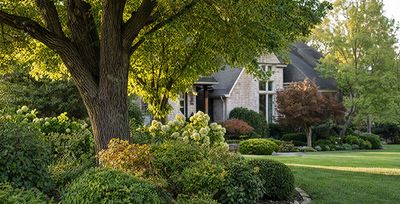
If you live in Tulsa or the surrounding areas, you’ve probably noticed something frustrating: your grass looks great in the sun, but under the trees and in other shady spots, it barely exists.
We hear that all the time at Nutri-Green — and the truth is, shaded lawns are one of the most common challenges in our area. The good news? With the right grass, the proper care, and realistic expectations, your shaded lawn can improve.
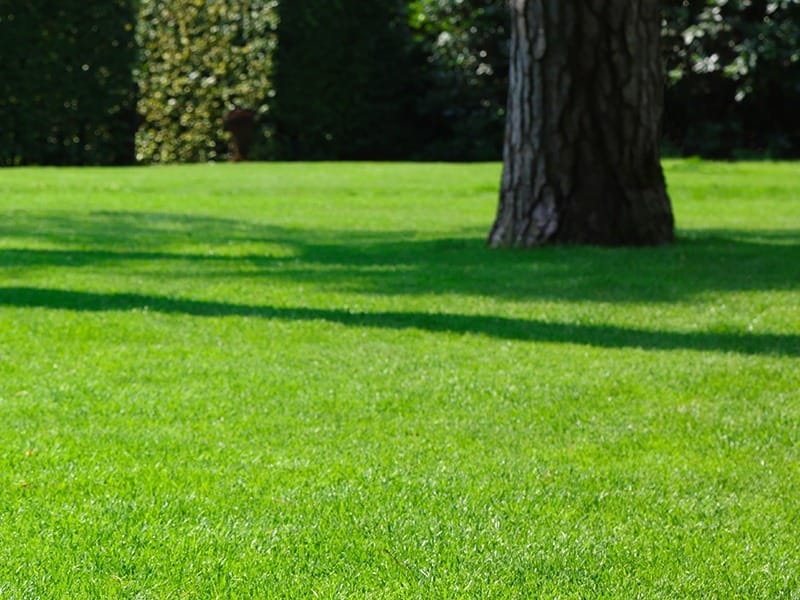
Quick Answer: Can Grass Grow in the Shade in Tulsa?
It’s possible, but only certain grasses thrive in shaded areas.
In Tulsa, we see the best results with tall fescue or fescue blends, especially when planted in the fall. Grass like bermudagrass and buffalograss typically struggles in shade and will thin out fast.
Why Shade Makes Growing Grass Hard in Tulsa
Grass needs sunlight to produce energy, and shaded areas simply don’t get enough. In Tulsa, this is especially true because:
- We have hot summers that stress grass, and shade can trap moisture and disease.
- Mature trees are common here, and their roots compete with grass for water and nutrients.
- Shade areas tend to stay damp longer, which can cause fungus and thin turf.
What shaded lawns usually look like:
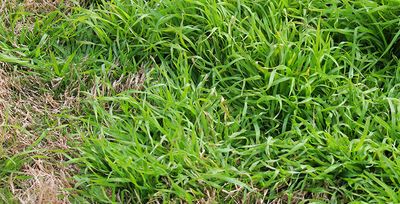
- Thin, weak grass with poor roots
- Patchy areas that never fully fill in
- More weeds and moss than healthy turf
The hardest part? Even the best “shade-tolerant” grass struggles in deep shade (less than about 4 hours of sunlight). In those areas, grass may never fill in, no matter what you do.
Best Grass Choices for Shaded Lawns in Tulsa
In the Tulsa and eastern Oklahoma climate, cool-season grasses generally handle shade better than warm-season grasses. Here’s what we recommend:
Best Shade-Tolerant Options
- Tall Fescue
One of the strongest performers in shaded areas thanks to deep roots and good adaptability. Works well in Tulsa’s climate, especially when seeded in the fall. - Kentucky Bluegrass
Kentucky bluegrass alone isn’t as shade-tolerant as fescue, but when blended with tall fescue, it produces a more resilient shaded lawn. - Zoysia grass (partial shade)
A warm-season grass that tolerates light to moderate shade better than many warm-season types and forms dense, attractive turf, but it still needs several hours of sunlight.
Grass That Doesn’t Do Well in Shade (and Why)
- Bermudagrass
Popular in sunny Tulsa lawns, but it thins badly in shaded spots under trees and often fails entirely without prolonged sun exposure. - Buffalograss & Perennial Ryegrass
Generally, they have poor shade tolerance and are prone to thinning in shaded, low-light conditions. - Heavy Shade Areas (<4 hours of sun)
No common turfgrasses will truly flourish here; consider groundcovers or shade-tolerant landscape plants instead.
Best Practices for Growing Grass in the Shade (What Works)
If you want to improve shaded grass in Tulsa, here’s what we recommend:
1. Increase Light When You Can
If you have trees, pruning lower branches can make a big difference. Even a little extra sunlight helps.
2. Mow Higher
Keep your mower blade taller in shaded areas. Taller grass captures more light and develops stronger roots.
3. Water Deeply, Less Often
Shaded lawns often stay moist longer, so watering less frequently but deeper helps roots grow stronger.
4. Improve Soil Health
Shade areas often have compacted soil and competing tree roots. A soil test can indicate whether you need pH adjustment or nutrient supplementation.
5. Overseed Regularly
Shade lawns thin out faster than sunny areas. Overseeding once a year (or twice if needed) helps maintain coverage.
When to Call a Lawn Care Company
Shaded lawns are tricky because they’re not just “dry” or “weedy” — they’re a light and soil problem.
That’s why many homeowners try DIY methods and still struggle. The solution often needs:
- Proper grass selection
- Soil testing
- Customized fertilization and overseeding
- Weed and disease management
That’s where Nutri-Green comes in.
Why Tulsa Homeowners Trust Nutri-Green for Their Lawns
If you’re tired of patchy shade areas, we’re here to help, not with guesswork, but with a plan that fits your yard.
Free Lawn Evaluation
We start with a free lawn inspection, including:
- Soil pH testing
- Sunlight assessment
- Turf type and problem area analysis
This helps us diagnose the real issue — not just treat symptoms.
Custom Lawn Care Programs
Our lawn care programs include:
- Weed control and fertilization year-round
- Pre-emergent weed prevention
- Summer weed control and lawn thickening nutrients
- Fall treatments to prepare your lawn for winter
- Aeration and overseeding to improve soil and coverage
These treatments are especially helpful in shaded lawns where growth is slow and competition is high.
Local Expertise
We’re Oklahoma locals; we know what grows here, what fails here, and what homeowners typically face in shaded yards. That local experience matters.
What to Do Next (Tulsa Homeowners)
If your shaded lawn isn’t improving, the best first step is a professional assessment — because shade issues are rarely “one-size-fits-all.”
At Nutri-Green, we’ll help you identify the real cause — whether it’s too little sunlight, poor soil, disease, or tree roots competing for water and nutrients. Then we’ll recommend the right plan for your specific yard.
Shade lawns can improve, but they don’t always look like sunny lawns. Our goal is to help you build the healthiest, thickest grass possible for your shade conditions.
Schedule your free lawn evaluation today, and let our Tulsa team help you get the results you want.

Testimonials




News, Blogs & Articles
Our Blog