What to Expect From Fall Fescue Aeration and Overseeding in Tulsa
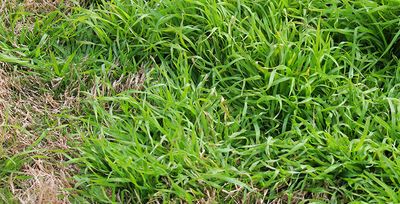
By the end of summer, many Tulsa fescue lawns are showing what the heat has done. Areas that were thick in spring may be thinner, and some spots may have lost grass altogether.
Fall brings better growing conditions for fescue and gives new seed an opportunity to establish, but aeration and overseeding are not an instant makeover.
If you're considering Nutri-Green's aeration and overseeding service this fall, here's what you can expect from the process and the weeks that follow.
When Does Fescue Overseeding Start in Tulsa?
Timing matters with cool-season grass.
Nutri-Green's fall fescue overseeding window typically runs from mid-September through late October, with actual timing depending on weather and lawn conditions. That timing also aligns with Oklahoma State University's guidance for establishing cool-season turf in Oklahoma, which identifies September and October as the preferred planting period for tall fescue.
That means the calendar is only part of the decision. An unusually hot September can keep conditions less favorable for new fescue, while moderating temperatures help create a better environment for germination and early growth.
What Happens During Aeration and Overseeding?
For fescue lawns that have thinned or developed bare areas, core aeration helps prepare the lawn for new seed.
Core aeration removes small plugs of soil from the turf. This helps relieve soil compaction and creates openings that improve the movement of air and water into the root zone. It also gives newly applied seed more opportunities to make contact with the soil.
Fescue seed is then spread across the lawn to add new plants where density has been lost.
Homeowners often call this "reseeding." When seed is being added to an existing lawn rather than starting the lawn over completely, the process is generally referred to as overseeding.
Nutri-Green's overseeding program also includes starter fertilizer, a maintenance guide for caring for the newly seeded lawn, and a follow-up evaluation to see how the new grass is establishing.
Don't Be Surprised by the Soil Plugs
Immediately after core aeration, your lawn will look different.
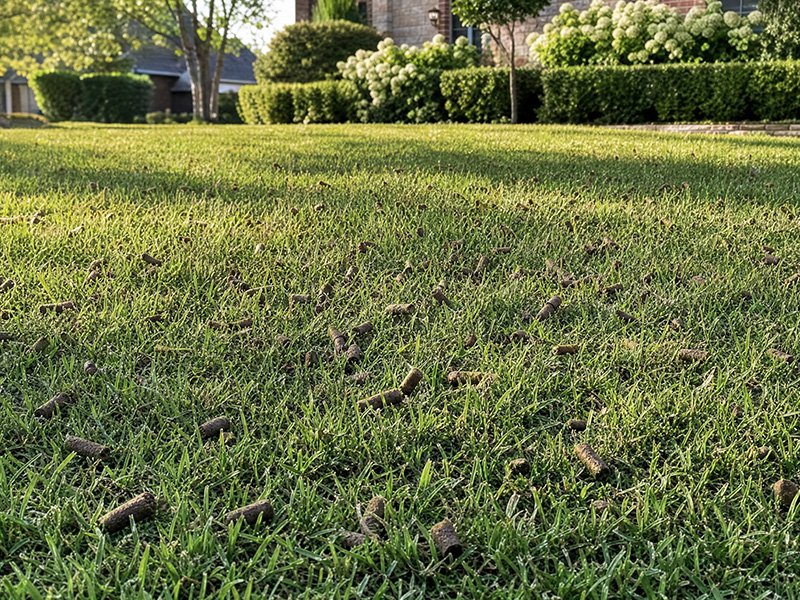
Small plugs of soil will be scattered across the surface, and you may notice aeration holes throughout the turf. That's normal.
Those soil cores do not need to be picked up. They can remain on the lawn and gradually break apart on their own.
You may also still see grass seed on or near the soil surface after overseeding. The lawn won't suddenly look thicker the day the work is completed. The visible improvement comes as the seed germinates and the new fescue begins establishing.
Watering Matters After Fescue Is Seeded
Once the seed is down, keeping the seedbed from drying out becomes especially important.
Newly planted fescue needs consistent moisture during germination. Light, frequent watering is often needed at first to keep the upper portion of the soil moist without washing seed away or creating runoff.
That is different from how an established lawn is normally watered. Mature turf generally benefits from deeper, less frequent watering, but new seed has not developed the root system needed to reach moisture deeper in the soil.
Rainfall, temperature, shade, soil type, and the irrigation system can all affect how quickly the surface dries. Follow the watering instructions provided after your Nutri-Green service rather than relying on the same irrigation schedule you use for established grass.
Once the new fescue has germinated and begins establishing, watering can gradually become deeper and less frequent.
How Soon Will New Fescue Start Growing?
Don't expect every seedling to appear at exactly the same time.
Under favorable conditions, tall fescue often begins germinating within about 7 to 14 days. Temperature, soil moisture, and weather conditions can speed up or slow down that process.
You may initially notice a light haze of new green growth in some parts of the lawn while other areas still look sparse. Continued establishment will take longer than germination itself.
This is also why it is important not to judge an overseeding service a few days after the seed goes down. The lawn needs time.
When Can You Mow New Fescue?
New fescue seedlings need time to establish before regular mowing begins.
Once the new fescue is tall enough to mow, avoid cutting it too short. Follow the recommended mowing height for your lawn, and never remove more than one-third of the grass blade during a single mowing.
A sharp mower blade is also important. A dull blade can tear young grass rather than cutting it cleanly.
If you're unsure whether the lawn is ready for its first mowing after overseeding, check the care instructions left by your Nutri-Green technician before mowing.
Give Newly Seeded Areas Some Room
Fresh fescue seedlings are much more vulnerable than established turf.
Heavy foot traffic, repeated play, pets running through the same areas, or equipment moving across newly seeded sections can disturb seed and young plants before they have developed stronger roots.
You don't have to treat the yard as completely off-limits, but reducing unnecessary traffic during early establishment gives the new fescue a better opportunity to develop.
What If Some Areas Still Look Thin?
Overseeding can help restore lawn density where fescue was lost over summer, but seed can't correct every underlying lawn problem.
A section affected by poor irrigation, severe soil compaction, heavy traffic, disease, insect damage, or other unfavorable growing conditions may continue to struggle. If you're seeing problem areas now, our guide to bald spots in Tulsa lawns explains some of the common reasons grass becomes thin or bare.
Shade is another factor. Tall fescue generally handles shade better than common warm-season grasses used in Oklahoma, but even fescue needs enough light to grow successfully.
If the same part of your lawn becomes bare year after year, it is worth determining why rather than simply adding more seed each fall.
Fall Growth Is Only the Beginning
A successful fall overseeding gives new fescue time to germinate and begin developing before winter, but the bigger test comes later.
Young fescue that continues developing through fall and spring will be better prepared when Oklahoma's heat returns the following summer. Proper mowing, watering, fertilization, and ongoing lawn care all play a role in maintaining that new growth.
Nutri-Green's aeration and overseeding program includes follow-up evaluation so your lawn can be checked as the new grass establishes.
Get Your Fescue Lawn Ready for Fall
If your fescue has thinned after another Tulsa summer, the fall window is getting close.
As a locally owned company serving Metro Tulsa since 2001, Nutri-Green works with fescue lawns throughout Tulsa and Eastern Oklahoma to help restore and improve lawn density.
Contact Nutri-Green for a free quote and find out whether fall aeration and overseeding are right for your lawn.

Testimonials




News, Blogs & Articles
Our Blog