Dormant Season Lawn Care: What NOT to Do in a Tulsa Winter
Winter in Tulsa is a strange season. One week you’re wearing a hoodie, and the next you’re scraping frost off the windshield. Your lawn feels those swings too, which is why winter lawn care in Tulsa, Owasso, and Eastern Oklahoma is more about protecting the grass, not trying to force growth.
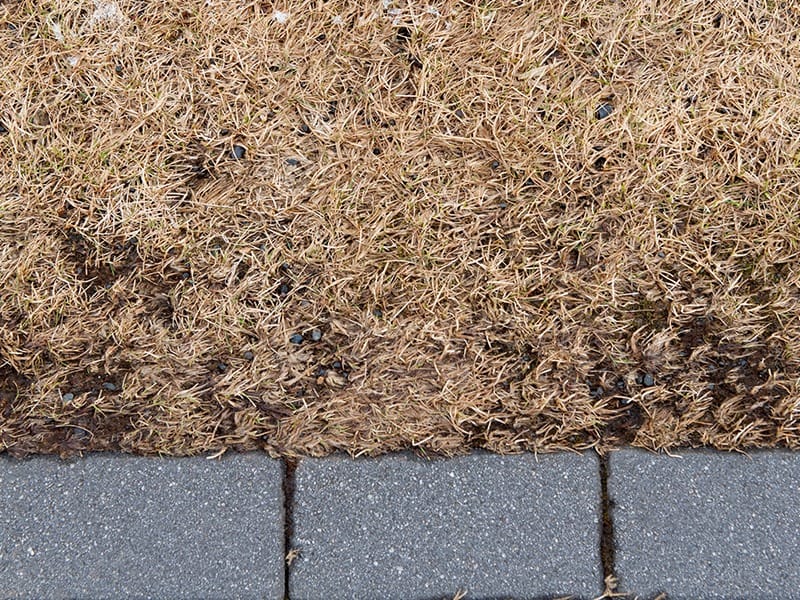
Once your lawn enters dormancy, it slows down, shuts down top growth, and switches into survival mode. This is especially true for Bermuda and Zoysia, the warm-season grasses most common in Tulsa. During winter, they aren’t capable of using fertilizer, growing roots aggressively, or repairing themselves.
Unfortunately, winter is also the time when many homeowners make mistakes that can slow spring green-up, waste money, or even damage their turf.
Here’s what not to do this winter—especially the big one: don’t fertilize your lawn.
What This Article Covers
-
Why fertilizing your lawn in winter is a mistake
-
How dormancy affects Bermuda and Zoysia grass
-
The top winter lawn care “don’ts” that can slow spring green-up
-
Common winter problems like weeds, leaf buildup, and frost damage
-
What to do instead to protect your lawn until warmer weather returns
-
How Nutri-Green’s lawn care programs support healthy turf all year
-
Answers to common winter lawn care questions
1. Don’t Fertilize Your Lawn During the Winter
This is the most common—and most costly—mistake.
Why?
Once warm-season grasses go dormant, they stop absorbing nutrients. That means:
-
The fertilizer sits on the surface and washes away with winter rains
-
You waste money on nutrients the grass can’t use
-
Runoff can carry fertilizer into storm drains and streams
-
Forcing growth during dormancy can actually weaken the turf
Applying nitrogen when your lawn isn’t actively growing can also feed the wrong things, like winter weeds (hello, henbit and Poa annua). Instead, save fertilization for late spring through summer, when your lawn begins to grow again after waking up.
2. Don’t Scalp or Cut Your Lawn Too Short
Scalping in winter leaves the crown exposed to freezing temperatures and increases the risk of winter die-out.
Instead, keep the last couple of fall cuts slightly taller so the grass has enough insulation to withstand cold snaps.
3. Don’t Water Unless Absolutely Needed
Most Tulsa winters receive sufficient moisture through rainfall. Overwatering during dormancy can lead to:
-
Root rot
-
Disease development
-
Compacted soil (especially in clay-heavy areas)
Only water if the lawn experiences extended dry spells AND temps rise above freezing.
4. Don’t Let Leaves Sit All Winter
Allowing leaves to pile up is an invitation for fungus and smothered turf.
Leaves left on dormant grass can:
-
Trap moisture
-
Encourage mold
-
Block sunlight
-
Slow spring green-up
Mulch or rake leaves as needed.
5. Don’t Disturb Frozen or Frost-Covered Grass
Walking or driving on frozen turf can crush the brittle blades and damage the crown.
You may not see the results right away, but in spring, these areas often come back thin or patchy.
6. Don’t Skip Winter Weed Prevention
While your grass sleeps, winter weeds wake up.
These include:
-
Annual bluegrass (Poa annua)
-
Chickweed
-
Henbit
-
Rescuegrass
A pre-emergent applied in the fall, plus spot-treating during the season, keeps these troublemakers under control and prevents them from stealing nutrients in the spring.
7. Don’t Put Off Spring Prep
Winter is a great time to get ahead.
What you should do instead:
-
Schedule a spring pre-emergent
-
Plan your fertilization schedule for warm-season grasses
-
Clean and service equipment
-
Consider soil testing if your lawn struggled last year
By the time spring arrives in Tulsa, having a plan in place makes all the difference.
Keep Your Tulsa Lawn Healthy All Year by Avoiding These Winter Mistakes
Your lawn doesn’t grow much during a Tulsa winter, but what you do—or don’t do—now sets the stage for how it performs when the weather warms up. Skipping fertilizer in winter is one of the smartest moves you can make during the dormant season. Save your budget for the months when the lawn is actively growing and ready to use those nutrients.
If you want a lawn that greens up faster in spring, fights weeds more effectively, and stays healthier through Oklahoma’s heat, Nutri-Green’s lawn care programs can take the guesswork out of the process. Our comprehensive approach ensures your turf gets precisely what it needs: pre-emergents at the right time, fertilization during the true growing months, and expert guidance to avoid winter mistakes that set lawns back.
From winter weed control to spring fertilization and soil-building treatments, Nutri-Green helps Tulsa and Eastern Oklahoma homeowners keep their lawns strong, healthy, and consistent year after year.
If you're unsure what your lawn needs this time of year, our locally owned and operated lawn care company can assess your yard and build a plan that brings out the best in your turf without wasting money on treatments that won’t help during winter. Contact us today!
FAQ: Winter Lawn Care in Tulsa
Can winter fertilization harm my lawn?
Yes. Applying nitrogen too early can encourage weak, off-season growth, increase disease risk, feed winter weeds, and stress the turf as it heads into spring.
Why does my lawn look dead in winter?
Warm-season grasses naturally turn brown and go dormant during cold weather. This is normal and doesn’t mean your grass is dying—just conserving energy until temperatures rise.
Is it okay to walk on frozen or frost-covered grass?
Avoid it if possible. Walking on frozen turf can break the brittle blades and damage the crown, resulting in thin or bare spots in the spring.

Testimonials




News, Blogs & Articles
Our Blog