Spring Lawn Scalping in Tulsa: Why It Doesn’t Help Your Lawn
If you’ve lived in Tulsa long enough, you’ve probably seen it.
Early spring rolls around, the mower comes out, and someone down the street cuts their lawn down to almost nothing. The idea is usually the same: “Scalp it now so it grows back thicker.”
At Nutri-Green, we get questions about this every spring from homeowners in Tulsa, Broken Arrow, and Jenks, as well as throughout eastern Oklahoma. And the truth is, while lawn scalping is common—especially with Bermuda lawns—it’s also one of the easiest ways to slow your lawn down right when it should be waking up.
Let’s talk about what scalping actually does, why it usually backfires for lawns in Tulsa and across eastern Oklahoma, and what actually works better if you want a thick, healthy yard this season.

What Is Lawn Scalping?
Lawn scalping is cutting your grass far shorter than its recommended mowing height—often removing far more than the top third of the blade. It can happen intentionally (“spring scalp”) or accidentally (uneven ground, dull blades, mower set too low).
Why Spring Lawn Scalping Usually Backfires
Here are the most common reasons scalping backfires in Tulsa.
It Stresses Your Lawn Right When It’s Trying to Wake Up
In late winter and early spring, warm-season grasses like Bermuda and Zoysia are just beginning to come out of dormancy.
The green blades might not look important yet, but they’re doing something critical: producing energy for the plant.
When you scalp, you remove the leaf tissue the lawn uses to:
- photosynthesize
- rebuild energy reserves
- and restart healthy growth
The result is often:
- slower green-up
- thinner turf
- a lawn that looks “off” longer than it should
This is something our lawn care team sees every spring across Tulsa lawns—homeowners trying to speed up green-up but actually slowing their lawn down.
If you're still trying to figure out when mowing season should actually begin, it helps to understand when to mow your lawn after winter in Tulsa.
It Can Thin Your Turf and Invite Weeds
A thick lawn is one of the best natural weed preventers. When you scalp, you open the canopy and let more light hit the soil surface—creating better conditions for weeds to establish.
If weed prevention is your goal, a season-appropriate plan works better than mowing lower—especially a spring approach aimed at crabgrass (see our guide on crabgrass prevention in Tulsa). And if you’re trying to reduce weed pressure before spring even gets going, a fall pre-emergent approach can help prevent many winter annual weeds and reduce the number of weeds you’re battling as spring starts.
It Doesn’t “Train” the Lawn to Grow Thicker
This is probably the most common lawn myth we hear.
Some homeowners believe cutting grass very short will force it to spread and grow thicker.
In reality, turf density comes from things like:
- proper mowing height and frequency
- adequate nutrients (at the right time)
- consistent watering
- healthy roots and soil
Scalping often does the opposite: it weakens the plant and reduces density.
It Can Lead to a Brown, Patchy Spring Appearance
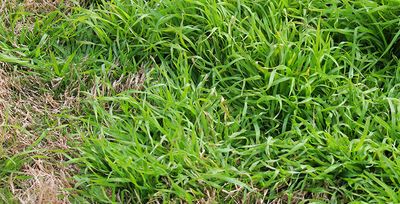
So when you cut extremely low, you often expose stems and dormant tissue, which makes the lawn look brown—even if the grass is technically alive.
Ironically, homeowners often scalp because they want the lawn to look “clean.”
But the result is usually a rough, patchy yard until the grass recovers.
It Can Create Recovery Problems If You’re Also Doing Other Spring Tasks
Spring often includes cleanup, edging, and timing decisions around lawn treatments. Scalping can make the lawn less resilient during these steps.
If you’re trying to reduce mowing (without stressing the turf), you may also be interested in Reducing Mowing With Growth Regulators.
A Quick Reality Check for Tulsa Lawns
One thing we often see at Nutri-Green is homeowners trying multiple DIY fixes at once—scalping, dethatching, fertilizing, and weed control—all within a few weeks.
Sometimes that combination actually creates more lawn stress than it solves.
If your lawn is struggling and you’re not sure what it needs, a professional evaluation can save a lot of guesswork.
(If you'd like a second set of eyes on your lawn this spring, Nutri-Green can help you build a plan around your yard’s actual conditions—not a one-size-fits-all schedule.)
Scalping Doesn’t Solve Thatch (and Can Distract From the Real Fix)
Another big reason people scalp their lawn in spring is to try to “remove thatch.”
Unfortunately, that’s not how thatch works.
Thatch Is Not Just “Tall Grass”
Thatch is a layer of tightly intermingled dead and living plant material (stems, runners, roots) that builds up between the soil surface and the green grass blades.
If you want a clear explanation, start with What Is Lawn Thatch?.
Why Scalping Doesn’t Remove Thatch
Scalping mostly removes leaf blades at the top of the lawn.
But the thatch layer sits much closer to the soil surface.
That means cutting the grass short doesn’t actually remove the layer causing the problem.
What to Do Instead If You’re Worried About Thatch
A better “thatch plan” usually looks like:
- mow at the correct height consistently (don’t scalp)
- avoid overdoing nitrogen too early
- improve drainage/compaction issues where relevant
- dethatch only when timing and turf condition make it safe
If you suspect you have a thatch issue, use the signs and timing guidance in Tulsa Lawn Thatch in Spring: Signs, Causes, and Fixes.
And if you’re unsure whether you even have a thatch problem, it’s often easier to have a lawn care company take a look before doing anything aggressive.
What to Do Instead of Scalping (Simple Tulsa-Friendly Lawn Tips)
If your goal is a thicker, healthier lawn, a few basics will go much further than scalping.
Set Your Mowing Height and Stick With It
Choose the recommended height for your grass type, whether that’s Bermuda, Zoysia, or another type of grass.
Then follow the one-third rule: never remove more than one-third of the blade in a single mowing.
When growth speeds up, mow more often instead of mowing lower.
Use our reference guide, Proper Mowing Maintenance, to find the recommended height for your grass type.
Keep the Turf Dense to Discourage Weeds
Dense grass naturally crowds out many weeds.
Instead of cutting lower, focus on:
- consistent mowing
- proper watering
- seasonal weed prevention
Treat Thatch as a Separate Issue
If you suspect thatch, confirm the signs and the safest timing for Tulsa lawns before taking any aggressive action. Unsure of what you’re seeing? Schedule a free lawn evaluation with Nutri-Green.
Let the Experts Handle the Lawn Health
If your lawn is already thin, patchy, or full of weeds, scalping usually makes the problem more noticeable—not better.
What actually improves lawns over time is a consistent, season-long approach that includes:
- mowing at the right height
- targeted weed control throughout the season
- lawn nutrition timed to Tulsa’s growing conditions
- treatments that strengthen turf so it naturally crowds out weeds
That’s exactly where Nutri-Green comes in.
Homeowners still mow their own lawns—but our local, family-owned Tulsa lawn care company handles the part that’s harder to get right: the science behind building thicker, healthier turf. Our lawn care programs focus on feeding the lawn at the right time, controlling weeds before they spread, and helping your grass grow dense and resilient through Tulsa’s changing seasons.
The result is a lawn that’s easier to maintain and looks better year-round.
If you’d rather stop guessing and let a local lawn care team handle the health of your lawn, learn more about Nutri-Green lawn care services in Tulsa.
Spring Lawn Scalping FAQs for Tulsa (Bermuda and Zoysia)
How Low Is Too Low When Mowing in Spring?
If you’re consistently cutting far below your grass type’s recommended height (or routinely removing more than one-third of the blade), you’re likely scalping. In Tulsa, the safest approach is to pick the correct height for your turf and make gradual adjustments over a couple of mows—especially early in the season.
What If I Already Scalped My Lawn?
Don’t keep cutting low to “fix it.” Raise the mowing height back to normal, mow only when needed, and keep traffic off the lawn as much as possible for a week or two. If the lawn was cut extremely low, recovery usually depends on how much active growth has started and whether the crowns were damaged.
Is Scalping the Same Thing as Removing Thatch?
No. Scalping removes the leaf blades on top. Thatch is a layer closer to the soil surface made up of stems, runners, and organic material. If thatch is the real issue, it needs its own diagnosis and the right timing—separate from how short you mow.

Testimonials




News, Blogs & Articles
Our Blog